
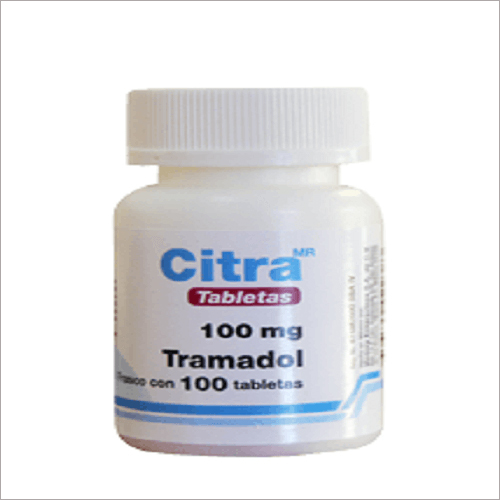
Description
Tramadol 100mg is a prescription opioid analgesic used for the treatment of certain types of moderate to moderately severe pain. “Citra” may refer to a specific product or manufacturer designation; the exact formulation, appearance, and release characteristics should be verified from the product packaging and prescribing information.
How Tramadol Works
Tramadol has a dual mechanism of action. It binds to opioid receptors involved in pain transmission and also inhibits the reuptake of norepinephrine and serotonin. These effects alter the way the central nervous system processes and perceives pain.
Because tramadol affects both opioid receptors and neurotransmitter systems, it can interact with a number of other medicines and requires appropriate medical supervision.
Potential Uses
Tramadol may be prescribed for pain when a healthcare professional determines that an opioid analgesic is appropriate. The suitability of treatment depends on the type and severity of pain, medical history, other medications, and individual risk factors.
The appropriate dose and treatment duration should always be determined by the prescribing clinician.
Common Side Effects
Potential side effects may include:
- Nausea
- Dizziness
- Drowsiness
- Constipation
- Headache
- Dry mouth
- Vomiting
- Sweating
- Fatigue
These effects may be more noticeable when treatment begins or when tramadol is combined with other medicines that cause drowsiness.
Serious Safety Considerations
Tramadol is an opioid medication and carries important risks, including misuse, addiction, physical dependence, respiratory depression, seizures, and overdose.
Combining tramadol with alcohol, benzodiazepines, sedatives, or other central nervous system depressants can substantially increase the risk of severe sedation and dangerously slowed breathing.
Tramadol can also interact with antidepressants and other serotonergic medicines. Such combinations may increase the risk of serotonin syndrome, a potentially serious condition that can involve agitation, confusion, sweating, fever, rapid heartbeat, muscle stiffness, or abnormal reflexes.
Important Precautions
Patients should tell their healthcare professional about all prescription medications, over-the-counter medicines, supplements, and recreational substances they use before taking tramadol.
Extra caution may be necessary in people with certain respiratory conditions, seizure disorders, liver or kidney problems, or a history of substance-use problems.
Do not drive or operate machinery until you know how tramadol affects you, as dizziness and drowsiness can impair alertness.
Dependence and Withdrawal
Regular use of tramadol can result in physical dependence. Stopping treatment suddenly after prolonged or repeated use may cause withdrawal symptoms. A healthcare professional can determine whether the medication should be tapered rather than stopped abruptly.
Responsible Use
Tramadol 100mg should be taken only according to a valid prescription and the specific product instructions. Do not increase the dose, take it more frequently, crush or alter a formulation unless the prescribing information specifically permits it, or share the medication with another person.
Because “loose” medication may not provide the same packaging, labeling, or traceability as a properly dispensed product, the authenticity, strength, manufacturer, expiration date, and formulation should be confirmed by a licensed pharmacist before use.
For authoritative information about tramadol, consult MedlinePlus – Tramadol and the FDA – Drugs.
Reviews
There are no reviews yet.