
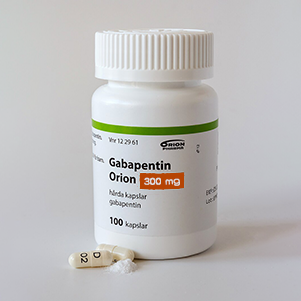
Description
Product Overview
Gabapentin 300mg is a prescription medication containing 300 milligrams of gabapentin. It belongs to a class of medicines known as anticonvulsants and is commonly prescribed for certain types of nerve-related pain and as an adjunctive treatment for certain seizures. Gabapentin is also available in different formulations, so patients should use the specific product and dosage form prescribed by their healthcare professional.
For detailed medication information, patients can review the current DailyMed gabapentin prescribing information, which provides official labeling information for U.S. gabapentin products.
What Is Gabapentin 300mg Used For?
Depending on the formulation, gabapentin may be prescribed for conditions including:
- Postherpetic neuralgia, a type of nerve pain that can remain after shingles
- Certain partial-onset seizures, as an additional treatment
- Other conditions in some circumstances when specifically prescribed by a healthcare professional
Gabapentin works differently from conventional pain relievers. It affects signaling within the nervous system and can change the way the body processes certain pain signals.
How Gabapentin Works
Gabapentin is structurally related to the neurotransmitter GABA, although it does not work simply by acting like GABA. Its precise mechanism for treating several conditions is not completely understood.
For nerve-related pain, gabapentin can modify abnormal nerve signaling and reduce the intensity of pain sensations.
Because the medication acts on the nervous system, it can also cause effects such as drowsiness, dizziness, and impaired coordination in some people.
Gabapentin 300mg Dosage
A 300mg strength does not mean that every patient should take the same amount or follow the same schedule.
The appropriate dose depends on factors such as:
- The condition being treated
- Age
- Kidney function
- Other medications
- Individual response
- The specific gabapentin formulation
Patients should follow the dosage instructions on their prescription and should not increase, decrease, or change the frequency of gabapentin without medical advice.
The current labeling also emphasizes that different gabapentin formulations may have different dosing schedules and should not automatically be substituted for one another.
Common Side Effects
Some people taking gabapentin may experience:
- Dizziness
- Drowsiness
- Fatigue
- Coordination problems
- Blurred or double vision
- Swelling of the hands, feet, ankles, or legs
- Nausea
- Weight gain
Not everyone experiences these effects, and their severity can vary from person to person. The MedlinePlus gabapentin drug information provides additional information about common and potentially serious adverse effects.
Gabapentin and Drowsiness
Gabapentin may make some people sleepy or dizzy, particularly when beginning treatment or when the dose is changed.
For this reason, patients should be cautious with driving, operating machinery, or other activities requiring full alertness until they know how the medication affects them.
Gabapentin and Other Medications
It’s important to tell your doctor or pharmacist about all prescription medicines, over-the-counter products, supplements, and other substances you use.
Gabapentin can have additive effects with other medications that depress the central nervous system.
The FDA has specifically warned about serious breathing problems associated with gabapentin in patients with respiratory risk factors, particularly when gabapentin is combined with opioids or other CNS depressants.
For that reason, medications such as opioid pain relievers, sedatives, and other CNS depressants should be reviewed by a healthcare professional before being combined with gabapentin.
Stopping Gabapentin
Gabapentin should not necessarily be stopped suddenly after regular use.
Depending on the reason for treatment, abrupt discontinuation can cause withdrawal symptoms and, in people taking it for seizure control, may increase seizure risk. Healthcare professionals may recommend gradually reducing the medication when discontinuing treatment.
Important Safety Information
Contact a healthcare professional promptly if you experience unusual or severe symptoms while taking gabapentin.
Seek urgent medical attention for symptoms such as:
- Difficulty breathing
- Extreme sleepiness
- Confusion
- Bluish lips or fingertips
- Swelling of the face, lips, tongue, or throat
- Severe rash
- Difficulty swallowing
The FDA’s gabapentin safety communication provides additional information about serious respiratory risks.
Storage
Gabapentin should generally be stored according to the instructions supplied with the specific product. Keep medication securely stored and out of reach of children and other people for whom it was not prescribed.
Unused medication should be disposed of through an appropriate medication take-back or disposal program when possible.
Frequently Asked Questions
What is Gabapentin 300mg?
Gabapentin 300mg is a prescription strength containing 300mg of gabapentin. It may be used for certain nerve-pain conditions and as adjunctive therapy for certain seizures, depending on the formulation and prescription.
Does Gabapentin 300mg cause sleepiness?
It can. Drowsiness and dizziness are recognized effects of gabapentin, although individual responses vary.
Is Gabapentin 300mg a painkiller?
Gabapentin isn’t a conventional opioid or anti-inflammatory painkiller. It is an anticonvulsant that can be prescribed for certain types of nerve-related pain.
Can Gabapentin 300mg be stopped suddenly?
It may be unsafe to stop gabapentin abruptly, particularly when it is being used for seizure control. Discuss discontinuation with your healthcare professional.
Can Gabapentin be taken with other medications?
Potential interactions depend on the medicines involved. Tell your doctor and pharmacist about everything you take, particularly opioids and other medicines that cause sedation.
Final Thoughts
Gabapentin 300mg is an established prescription medication used for specific neurological conditions, including certain forms of nerve pain and seizure disorders. Although it can be beneficial when appropriately prescribed, it can also cause drowsiness, dizziness, and other adverse effects and may interact with other CNS-depressing substances.
Use gabapentin only according to your prescription, and consult your doctor or pharmacist if you have questions about your dose, interactions, side effects, or stopping treatment.
Authoritative references: MedlinePlus — Gabapentin · DailyMed — Gabapentin labeling · FDA — Gabapentin safety information
Reviews
There are no reviews yet.