
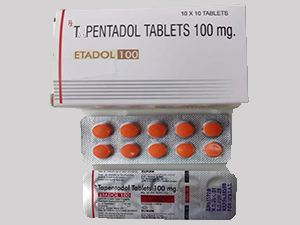
Description
Tapentadol 100 mg (ETADOL) is a prescription opioid analgesic used to manage certain types of moderate-to-severe pain when an opioid medicine is considered appropriate and alternative treatments are inadequate. It works through both opioid activity and norepinephrine reuptake inhibition, helping modify how the brain and nervous system perceive and respond to pain.
Tapentadol is available in immediate-release and extended-release formulations. The exact indication, formulation, and strength should always be confirmed from the prescription and product labeling because immediate-release and extended-release tapentadol are not interchangeable in how they are used.
What Is Tapentadol 100 mg?
Tapentadol is a centrally acting prescription pain medicine. It has two principal pharmacological actions: it activates opioid receptors and inhibits norepinephrine reuptake. Together, these effects influence pain signaling within the central nervous system.
According to the U.S. National Library of Medicine’s MedlinePlus Tapentadol information, immediate-release tapentadol is used for severe acute pain when an opioid analgesic is needed and alternative treatments are inadequate. Certain extended-release formulations are used for severe, persistent pain and, in specified patients, severe persistent diabetic neuropathic pain.
Tapentadol 100 mg Uses
Tapentadol may be prescribed for severe pain that requires opioid treatment.
Depending on the formulation, approved uses can include:
- Severe acute pain requiring an opioid analgesic
- Severe persistent pain requiring around-the-clock opioid treatment
- Certain severe persistent neuropathic pain associated with diabetic peripheral neuropathy, for appropriate extended-release formulations
The indication depends on whether the medicine is immediate-release or extended-release, so patients should use only the formulation specifically prescribed by their healthcare professional.
For additional general information about prescription pain medicines, the MedlinePlus Pain Relievers resource provides an overview of different categories of analgesics and their potential benefits and risks.
How Does Tapentadol Work?
Tapentadol has a dual mechanism of action.
First, it acts on mu-opioid receptors, which are involved in the body’s perception and response to pain. Second, tapentadol inhibits the reuptake of norepinephrine, increasing norepinephrine activity in certain areas of the nervous system involved in pain modulation.
This combination can provide analgesic effects while also producing opioid-related effects such as sleepiness, dizziness, constipation, and respiratory depression.
Because of its opioid activity, tapentadol can cause physical dependence, misuse, addiction, overdose, and potentially fatal respiratory depression.
Tapentadol 100 mg Side Effects
Like other opioid medicines, tapentadol can cause side effects. Commonly reported effects include:
- Drowsiness
- Dizziness
- Headache
- Nausea or stomach discomfort
- Constipation
- Dry mouth
- Tiredness
- Sleep disturbances
- Abdominal discomfort
Not everyone experiences these effects, and their severity can vary between individuals.
MedlinePlus also identifies potentially serious reactions such as seizures, severe allergic reactions, significant changes in consciousness, difficulty breathing, fainting, and symptoms associated with serotonin toxicity.
Serious Warning: Respiratory Depression
One of the most important safety concerns with tapentadol is respiratory depression, meaning breathing can become dangerously slow or shallow.
The risk may be particularly significant when treatment begins or when the dose is increased. Combining tapentadol with other medicines or substances that depress the central nervous system can further increase the risk of severe sedation, respiratory depression, coma, or death.
Emergency medical attention is necessary if someone taking tapentadol develops:
- Very slow or shallow breathing
- Long pauses between breaths
- Severe difficulty breathing
- Extreme sleepiness
- Inability to wake up
- Loss of consciousness
- Severe confusion
Tapentadol and Alcohol
Alcohol should be avoided while taking tapentadol unless a healthcare professional specifically provides different instructions.
Combining alcohol with tapentadol can increase central nervous system depression and may raise the risk of severe sedation, breathing problems, overdose, coma, or death. MedlinePlus specifically warns against consuming alcohol or alcohol-containing medicines during tapentadol treatment.
Drug Interactions
Tapentadol can interact with numerous medicines and substances. Patients should provide their doctor and pharmacist with a complete list of prescription medicines, over-the-counter products, vitamins, supplements, and herbal products.
Particular attention may be needed with:
- Other opioid medicines
- Benzodiazepines and other sedatives
- Certain antidepressants
- Monoamine oxidase inhibitors
- Other central nervous system depressants
- Alcohol-containing products
- Certain herbal products, including St. John’s wort
Some combinations may increase sedation, respiratory depression, seizures, or the risk of serotonin-related toxicity.
Dependence, Misuse and Addiction
Tapentadol can be habit-forming, particularly with prolonged use or when it is taken differently from the prescribed instructions.
Physical dependence can develop during regular treatment. Dependence and addiction are not the same thing: physical dependence involves physiological adaptation, whereas addiction involves compulsive drug-seeking or continued use despite harmful consequences.
Patients should never increase the amount or frequency of tapentadol on their own. If pain is inadequately controlled, the prescribing clinician should reassess the treatment plan.
Do Not Stop Tapentadol Suddenly
People who have been taking tapentadol regularly may experience withdrawal if treatment is stopped abruptly.
Possible withdrawal symptoms can include:
- Restlessness
- Anxiety
- Irritability
- Sweating
- Chills
- Sleep difficulties
- Muscle or joint discomfort
- Nausea
- Vomiting
- Diarrhea
- Abdominal cramps
- Runny nose
- Rapid heartbeat
A healthcare professional can determine whether the medicine should be reduced gradually rather than stopped suddenly.
Important Information About Extended-Release Tapentadol
If the prescribed product is an extended-release formulation, the tablet must be swallowed whole.
Do not chew, crush, break, divide, or dissolve an extended-release tapentadol tablet. Altering the tablet can release too much medication at once and potentially cause a dangerous overdose.
Current DailyMed labeling for 100 mg extended-release tapentadol specifically instructs patients to swallow the tablets whole.
Tapentadol and Driving
Tapentadol may cause drowsiness, dizziness, impaired alertness, or lightheadedness.
Patients should avoid driving, operating machinery, or performing other potentially hazardous activities until they know how the medication affects them.
Tapentadol and Pregnancy
Tapentadol should be discussed carefully with a healthcare professional during pregnancy.
Regular opioid use during pregnancy can result in neonatal opioid withdrawal syndrome, which may require treatment after birth. Patients who are pregnant, planning pregnancy, or breastfeeding should discuss tapentadol treatment with their healthcare provider.
Tapentadol Overdose
Taking too much tapentadol can cause a life-threatening overdose.
Potential overdose symptoms include:
- Extreme sleepiness
- Inability to wake up
- Slow or shallow breathing
- Difficulty breathing
- Muscle weakness
- Cold or clammy skin
- Changes in pupil size
- Slow heartbeat
- Loss of consciousness
Naloxone is an opioid antagonist that can reverse potentially fatal opioid overdose effects. People prescribed opioid medicines should discuss naloxone availability and overdose-response planning with their healthcare professional when appropriate.
Safe Storage and Disposal
Tapentadol should be stored securely and kept away from children and anyone for whom it was not prescribed.
Because tapentadol is a controlled opioid medication, unused tablets should not be shared with another person. Proper medication take-back programs are generally preferred for disposal of unused medicines. MedlinePlus provides additional information about safe storage and disposal.
Frequently Asked Questions
What is Tapentadol 100 mg used for?
Tapentadol 100 mg may be prescribed for severe pain when an opioid analgesic is considered necessary and alternative treatments are inadequate. The specific approved use depends on whether the product is immediate-release or extended-release.
Is Tapentadol 100 mg an opioid?
Yes. Tapentadol is an opioid analgesic with additional norepinephrine reuptake-inhibiting activity.
Can Tapentadol 100 mg cause dependence?
Yes. Tapentadol can cause physical dependence and has a risk of misuse, addiction, and overdose. It should be taken exactly as prescribed.
Can Tapentadol be taken with alcohol?
Alcohol should be avoided during tapentadol treatment because the combination can increase the risk of dangerous sedation and respiratory depression.
What should I do if I miss a dose?
The appropriate response depends on the formulation and prescription instructions. Do not take extra medication to compensate for a missed dose. MedlinePlus advises patients taking immediate-release or extended-release tapentadol not to double the next dose.
Can Tapentadol 100 mg be stopped suddenly?
Regular tapentadol treatment should not generally be stopped abruptly without medical guidance because withdrawal symptoms can occur. A clinician can determine the safest discontinuation plan.
Is Tapentadol 100 mg the same as every other 100 mg tapentadol product?
Not necessarily. Immediate-release and extended-release formulations have different indications and administration requirements. Always verify the exact formulation on the prescription label.
Important Safety Disclaimer
Tapentadol 100 mg is a prescription opioid medication with potentially serious risks, including respiratory depression, misuse, dependence, addiction, overdose, and death. This information is provided for educational and SEO purposes and does not replace the prescribing information or advice of a qualified healthcare professional.
For authoritative medication information, consult the U.S. National Library of Medicine’s MedlinePlus Tapentadol guide and DailyMed’s official drug labeling. Current DailyMed labeling identifies tapentadol products as CII controlled substances.