
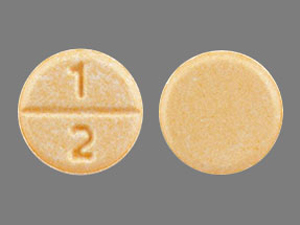
Description
Oxycodone 30 mg is a prescription opioid medication containing oxycodone hydrochloride. Depending on the specific product, a 30 mg strength may be formulated as an immediate-release or extended-release medicine. The formulation matters because release characteristics, dosing instructions, and safety considerations can differ substantially.
Oxycodone is used to manage severe pain when a healthcare professional determines that an opioid analgesic is appropriate. Because it can cause serious respiratory depression, misuse, dependence, addiction, and overdose, it should be taken only exactly as prescribed.
For example, current OxyContin labeling lists a 30 mg extended-release tablet.
What Is Oxycodone 30 mg Used For?
Oxycodone is prescribed for the management of severe pain when other treatment options may not provide adequate relief or are otherwise inappropriate.
Oxycodone works primarily through opioid receptors in the central nervous system, changing how the body perceives and responds to pain.
Treatment should be individualized according to factors such as the cause and severity of pain, previous opioid exposure, medical history, concurrent medications, and the patient’s risk factors.
Immediate-Release vs. Extended-Release Oxycodone
One of the most important considerations with Oxycodone 30 mg is identifying the formulation.
Immediate-release oxycodone releases the medicine relatively quickly and is used according to its specific prescribing instructions.
Extended-release oxycodone is designed to provide prolonged opioid exposure and is intended for appropriate patients requiring around-the-clock pain management. Extended-release products are not intended to be used as occasional or as-needed pain relievers.
Never assume two oxycodone products are interchangeable simply because they contain the same milligram strength.
How Does Oxycodone Work?
Oxycodone is an opioid analgesic. It acts on opioid receptors within the central nervous system and changes the perception and emotional response to pain.
This mechanism can provide significant analgesia, but it can also produce effects such as sleepiness, dizziness, constipation, and slowed breathing.
Because of these effects, oxycodone requires careful medical supervision.
Important Safety Warnings
Oxycodone carries important warnings involving:
- Respiratory depression
- Misuse and abuse
- Addiction
- Accidental ingestion
- Physical dependence
- Withdrawal
- Dangerous drug interactions
- Overdose
- Neonatal opioid withdrawal when used during pregnancy
Current extended-release oxycodone labeling contains boxed warnings addressing these risks.
For additional information about opioid safety, see .
Respiratory Depression
Respiratory depression is one of the most serious risks associated with oxycodone.
Breathing can become dangerously slow or shallow, particularly when treatment is initiated, after an increase in opioid exposure, or when oxycodone is combined with other central nervous system depressants.
Warning signs may include:
- Slow or shallow breathing
- Long pauses between breaths
- Extreme sleepiness
- Difficulty waking
- Loss of consciousness
- Unusual snoring or abnormal breathing
Suspected overdose is an emergency requiring immediate medical assistance.
Oxycodone and Alcohol
Alcohol can increase the sedating and respiratory-depressant effects of oxycodone.
Combining the two can substantially increase the risk of:
- Severe drowsiness
- Impaired coordination
- Respiratory depression
- Loss of consciousness
- Coma
- Overdose
Patients taking oxycodone should avoid alcohol unless their healthcare professional specifically advises otherwise.
Oxycodone and Other Medications
Patients should tell their healthcare professional about every medicine they take.
Particular caution is required with other central nervous system depressants, including:
- Benzodiazepines
- Other opioids
- Certain sleeping medicines
- Some muscle relaxants
- Alcohol
- Other sedating substances
Combining opioids with benzodiazepines or other CNS depressants can increase the risk of profound sedation, respiratory depression, coma, and death.
Common Side Effects
Possible oxycodone side effects include:
- Constipation
- Nausea
- Vomiting
- Drowsiness
- Dizziness
- Headache
- Weakness
- Fatigue
- Itching
- Dry mouth
Some reactions can be serious. Severe breathing problems, seizures, extreme sleepiness, difficulty waking, or signs of a serious allergic reaction require urgent medical attention.
Constipation and Oxycodone
Opioids commonly slow gastrointestinal movement, making constipation a frequent problem.
Patients experiencing persistent constipation should discuss appropriate prevention and treatment options with their healthcare professional rather than self-treating with an inappropriate medication.
Dependence and Withdrawal
Regular opioid use can cause physical dependence.
When the body becomes accustomed to oxycodone, suddenly stopping treatment may produce withdrawal symptoms.
Possible symptoms include:
- Restlessness
- Anxiety
- Sweating
- Chills
- Muscle aches
- Runny nose
- Watery eyes
- Yawning
- Sleep difficulties
- Nausea
- Vomiting
- Diarrhea
Patients taking oxycodone regularly should not abruptly discontinue treatment without medical guidance. A healthcare professional can determine whether a gradual reduction is appropriate.
Addiction and Misuse
Physical dependence does not automatically mean a person has an addiction.
However, oxycodone is a controlled opioid with recognized risks of misuse, abuse, opioid use disorder, and addiction.
Using oxycodone differently from how it was prescribed—including taking someone else’s medication or changing the formulation—can increase the risk of serious harm.
See for additional information.
Extended-Release Oxycodone: Important Handling Information
If the 30 mg product is an extended-release tablet, it must be handled according to the product’s specific instructions.
Extended-release tablets should generally be swallowed whole and must not be crushed, chewed, broken, or dissolved, because damaging the dosage form can cause rapid release of oxycodone and potentially result in a fatal overdose.
Always follow the instructions supplied with the exact prescription product.
Oxycodone and Driving
Oxycodone can cause drowsiness, dizziness, impaired judgment, and slower reactions.
Patients should not drive or operate machinery until they know how the medicine affects them.
The risk of impairment can be greater when oxycodone is combined with alcohol, benzodiazepines, sleeping medicines, or other sedating substances.
Oxycodone During Pregnancy
People who are pregnant or planning to become pregnant should discuss oxycodone treatment with their healthcare professional.
Long-term opioid exposure during pregnancy can result in neonatal opioid withdrawal syndrome after birth.
Pregnant patients should not independently discontinue prescribed opioids without medical guidance.
Safe Storage
Oxycodone should be stored securely and kept away from children and anyone for whom it was not prescribed.
Accidental ingestion can cause potentially fatal opioid poisoning.
Unused medication should be disposed of according to applicable medication-disposal recommendations.
Oxycodone 30 mg Overdose
An opioid overdose can be life-threatening.
Possible signs include:
- Extremely slow or shallow breathing
- Severe sleepiness
- Inability to wake
- Loss of consciousness
- Cold or clammy skin
- Abnormal pupils
- Very slow heartbeat
If an overdose is suspected, seek emergency medical assistance immediately.
Naloxone or nalmefene may be used to reverse opioid overdose when administered appropriately. Patients and families at risk of opioid overdose should discuss access to an opioid-reversal medication with a healthcare professional.
Frequently Asked Questions
What is Oxycodone 30 mg?
Oxycodone 30 mg is a prescription strength of oxycodone hydrochloride. Depending on the specific product, it may be available as an immediate-release or extended-release formulation.
Is Oxycodone 30 mg extended-release?
It can be. For example, OxyContin is an extended-release oxycodone product available in a 30 mg strength. However, the formulation should always be confirmed on the prescription packaging.
Can extended-release oxycodone be crushed?
No. Extended-release oxycodone tablets should not be crushed, chewed, broken, or dissolved because doing so can release the medication too rapidly and increase overdose risk.
Can oxycodone be taken with alcohol?
Alcohol can dangerously increase oxycodone’s sedative and respiratory-depressant effects. Combining them should be avoided.
Can oxycodone cause dependence?
Yes. Regular use can result in physical dependence. Oxycodone also carries risks of misuse, addiction, and opioid use disorder.
Should oxycodone be stopped suddenly?
People who have been taking oxycodone regularly should not abruptly stop treatment without discussing discontinuation with a healthcare professional because withdrawal symptoms can occur.
What should I do if an oxycodone overdose is suspected?
Treat suspected overdose as a medical emergency. Contact emergency services immediately and use an available opioid-reversal medication such as naloxone according to its instructions when appropriate.
Conclusion
Oxycodone 30 mg is a potent prescription opioid that may be supplied in different formulations, including extended-release products. Its appropriate use depends on the specific product, the patient’s medical circumstances, and the prescribing professional’s instructions.
Because oxycodone can cause respiratory depression, sedation, overdose, dependence, misuse, and addiction, it should only be used as prescribed. Alcohol and other sedating substances can increase the risk of serious complications.