
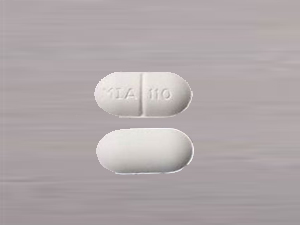
Description
OxyContin 80 mg contains oxycodone hydrochloride, an opioid analgesic formulated as an extended-release tablet. OxyContin is prescribed for the management of severe and persistent pain when alternative treatment options are inadequate. Because oxycodone is a potent opioid, treatment requires careful medical assessment and monitoring.
The current FDA prescribing information for OxyContin includes boxed warnings concerning addiction, abuse, misuse, overdose, and potentially life-threatening respiratory depression.
OxyContin 80 mg is a long-acting formulation designed to release oxycodone over an extended period. It is not intended to be used as an as-needed pain reliever.
What Is OxyContin 80 mg Used For?
OxyContin is indicated for severe and persistent pain when an opioid analgesic is required and alternative treatments are inadequate.
According to current FDA labeling, the 60 mg and 80 mg strengths, as well as single doses above 40 mg, are intended only for patients who have already established tolerance to an opioid of comparable potency.
This distinction is particularly important because opioid tolerance affects the safety of higher-strength extended-release formulations.
Oxycodone works by changing how the brain and nervous system respond to pain. MedlinePlus provides detailed information about oxycodone, including its medical uses, precautions, interactions, and possible adverse effects.
How Does OxyContin Work?
Oxycodone is an opioid agonist that acts on opioid receptors in the nervous system.
By affecting these receptors, oxycodone can reduce the perception and emotional response associated with pain.
Because OxyContin is an extended-release formulation, it is designed to provide prolonged opioid exposure rather than the rapid effect associated with immediate-release oxycodone products.
This formulation requires careful administration because altering the tablet can release too much oxycodone at once.
OxyContin 80 mg Must Be Swallowed Whole
Extended-release OxyContin tablets should be swallowed whole.
They should not be crushed, chewed, broken, divided, dissolved, or otherwise altered. Damaging an extended-release tablet can release a potentially dangerous amount of oxycodone at once and may result in overdose or death.
Patients who have difficulty swallowing should speak with their doctor or pharmacist rather than altering the medication themselves.
Important Safety Considerations
OxyContin carries significant opioid-related risks.
Potential risks include:
- Respiratory depression
- Excessive sedation
- Overdose
- Addiction
- Physical dependence
- Misuse
- Abuse
- Withdrawal
- Constipation
- Nausea
- Dizziness
- Drowsiness
The FDA’s current prescribing information carries a boxed warning about addiction, abuse, misuse, life-threatening respiratory depression, and overdose.
OxyContin 80 mg and Respiratory Depression
One of the most serious risks associated with oxycodone is respiratory depression, in which breathing becomes dangerously slow or shallow.
The risk can be particularly important when treatment is initiated, when the dosage is increased, or when oxycodone is combined with other substances that depress the central nervous system.
Signs of a possible opioid overdose may include:
- Very slow or shallow breathing
- Long pauses between breaths
- Extreme sleepiness
- Inability to wake
- Weak or limp muscles
- Cold or clammy skin
- Constricted or abnormal pupils
These symptoms require emergency medical attention. MedlinePlus provides additional information about oxycodone overdose and emergency symptoms.
OxyContin and Alcohol
Alcohol can increase the sedative effects of oxycodone.
Combining alcohol with OxyContin may increase the risk of:
- Severe sedation
- Respiratory depression
- Loss of consciousness
- Coma
- Overdose
Patients prescribed OxyContin should discuss alcohol use with their healthcare professional and follow the medication’s safety instructions.
OxyContin and Other Sedating Medicines
Extra caution is necessary when oxycodone is combined with other medicines that depress the central nervous system.
These may include:
- Benzodiazepines
- Sedative medications
- Certain sleep medicines
- Other opioid medications
- Some muscle relaxants
- Alcohol
- Other central nervous system depressants
For example, medications such as Xanax (alprazolam), Ativan (lorazepam), clonazepam, and Valium (diazepam) can cause sedation. Combining these medicines with opioids may increase the risk of profound sedation and respiratory depression.
The FDA and MedlinePlus recommend discussing all prescription medicines, over-the-counter products, supplements, and substances with a healthcare professional before using oxycodone.
Dependence, Addiction, and Withdrawal
OxyContin can cause physical dependence, particularly when used regularly.
Physical dependence means the body adapts to the medication, so abruptly stopping it can result in withdrawal symptoms.
Dependence and addiction are not exactly the same thing. Addiction involves compulsive drug-seeking or continued use despite harmful consequences, whereas physical dependence can occur as a physiological response to prescribed opioid treatment.
Because abrupt discontinuation can cause significant withdrawal symptoms, patients who have been taking OxyContin regularly should speak with their healthcare professional before stopping treatment.
The FDA’s OxyContin prescribing information specifically warns against rapid reduction or abrupt discontinuation in physically dependent patients.
Common Side Effects
Possible side effects of oxycodone include:
- Nausea
- Vomiting
- Constipation
- Drowsiness
- Dizziness
- Weakness
- Fatigue
- Headache
- Difficulty sleeping
Some adverse reactions can be serious.
Patients should contact a healthcare professional if concerning symptoms develop, particularly breathing difficulties, extreme sedation, confusion, or signs of an allergic reaction.
Constipation and Opioid Treatment
Constipation is a common concern with opioid medicines.
Oxycodone can slow gastrointestinal movement, which may result in harder or less frequent bowel movements.
Patients taking OxyContin should discuss constipation prevention and treatment with their healthcare professional, particularly if symptoms become persistent or severe.
Who Should Not Take OxyContin?
OxyContin is not appropriate for everyone.
Current FDA labeling lists contraindications including:
- Significant respiratory depression
- Acute or severe bronchial asthma in an unmonitored setting or without appropriate resuscitative equipment
- Known or suspected gastrointestinal obstruction, including paralytic ileus
- Known hypersensitivity to oxycodone
Medical history is important when determining whether an extended-release opioid is appropriate.
OxyContin and Pregnancy
Patients who are pregnant, planning pregnancy, or breastfeeding should discuss oxycodone treatment with their healthcare professional.
Regular opioid exposure during pregnancy can result in neonatal opioid withdrawal after birth.
MedlinePlus provides pregnancy-related safety information for oxycodone.
Safe Storage
OxyContin should be stored securely and kept away from children, visitors, and anyone for whom it was not prescribed.
Because opioids can cause serious harm when taken accidentally or improperly, safe storage is an important part of responsible medication use.
Patients should also follow local instructions for disposal of unused opioid medication.
Why OxyContin 80 mg Requires Particular Caution
The 80 mg strength is not an ordinary starting strength.
The FDA specifically states that OxyContin 60 mg and 80 mg tablets, as well as single doses above 40 mg, are intended for patients with established tolerance to an opioid of comparable potency.
This is one reason OxyContin 80 mg should never be treated as interchangeable with lower-dose oxycodone products without professional guidance.
A person’s previous opioid exposure, medical condition, other medicines, and individual response all influence the safety of treatment.
Frequently Asked Questions
What is OxyContin 80 mg?
OxyContin 80 mg is an extended-release tablet containing 80 mg of oxycodone hydrochloride. It is a prescription opioid intended for severe and persistent pain in appropriately selected patients.
Is OxyContin 80 mg extended-release?
Yes. OxyContin is an extended-release formulation designed for prolonged release of oxycodone.
Can OxyContin 80 mg be crushed?
No. Extended-release OxyContin tablets should not be crushed, chewed, broken, divided, or dissolved because doing so can release a potentially dangerous amount of oxycodone at once.
Is OxyContin 80 mg appropriate for someone who has never taken opioids?
The current FDA labeling states that the 60 mg and 80 mg strengths are for patients who have established tolerance to an opioid of comparable potency.
Can OxyContin be taken with Xanax?
Combining opioids with benzodiazepines such as Xanax can increase the risk of dangerous sedation and respiratory depression. Such combinations should only be used under careful medical supervision.
Can OxyContin be taken with alcohol?
Alcohol can increase the sedative and respiratory-depressant effects of oxycodone. Patients should discuss alcohol use with their healthcare professional.
Can OxyContin cause addiction?
Yes. OxyContin carries risks of misuse, abuse, addiction, physical dependence, overdose, and death. These risks are included in the FDA boxed warning.
Can OxyContin be stopped suddenly?
People who have developed physical dependence should not abruptly stop OxyContin without medical guidance because rapid discontinuation can produce significant withdrawal symptoms.
Final Thoughts
OxyContin 80 mg (oxycodone extended-release) is a high-strength prescription opioid intended for carefully selected patients with severe and persistent pain. Its extended-release design allows prolonged delivery of oxycodone, but it also means the medication must be used exactly as prescribed.
The 80 mg strength carries particularly important safety considerations. Current FDA labeling specifies that this strength is intended for patients who have already established opioid tolerance.
Because of the risks of respiratory depression, overdose, misuse, addiction, dependence, and dangerous drug interactions, OxyContin should only be used under appropriate medical supervision.
For additional authoritative information, consult MedlinePlus’s oxycodone drug information and the current FDA OxyContin prescribing information.