
Description
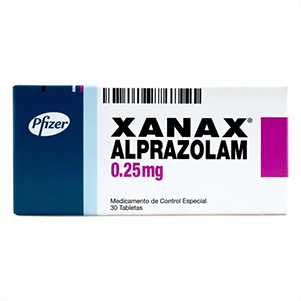
Xanax 0.25 mg contains alprazolam, a prescription benzodiazepine used for certain anxiety and panic disorders. Alprazolam works primarily by enhancing the effects of gamma-aminobutyric acid (GABA), an inhibitory neurotransmitter in the central nervous system.
The 0.25 mg strength is one of the available strengths of immediate-release alprazolam tablets. The appropriate strength and treatment schedule depend on the individual’s diagnosis, medical history, response to treatment, and other medications.
For detailed patient information, consult the MedlinePlus alprazolam guide.
What Is Xanax 0.25 mg?
Xanax 0.25 mg is an oral tablet containing alprazolam.
Alprazolam acts on the central nervous system and can produce calming and sedating effects. These effects may be useful in appropriately diagnosed conditions but can also cause drowsiness, dizziness, impaired coordination, and reduced alertness.
The FDA prescribing information for Xanax provides information about approved uses, warnings, precautions, contraindications, and adverse reactions.
How Does Alprazolam Work?
Alprazolam enhances the effects of GABA in the central nervous system.
GABA helps reduce excessive neuronal activity. By increasing GABA-related activity, alprazolam can produce a calming effect.
The medication may also affect:
- Alertness
- Coordination
- Reaction time
- Concentration
- Memory
- Judgment
For this reason, people taking alprazolam should understand how the medication affects them before driving or performing activities requiring full attention.
What Is Xanax 0.25 mg Used For?
Healthcare professionals may prescribe alprazolam for certain anxiety and panic disorders.
Whether alprazolam is appropriate depends on individual circumstances, including:
- Diagnosis
- Symptom severity
- Medical history
- Age
- Other medications
- Previous treatment
- Potential risk of dependence or misuse
Xanax should not be used simply because someone experiences occasional stress or nervousness.
Xanax 0.25 mg Administration
Take Xanax exactly as prescribed.
Do not independently:
- Increase the dose
- Take additional tablets
- Change the dosing schedule
- Extend treatment
- Share the medication with another person
If you forget a dose or are uncertain about your prescribed schedule, ask your healthcare professional or pharmacist for instructions rather than making changes yourself.
Common Side Effects
Potential side effects of alprazolam include:
- Drowsiness
- Dizziness
- Fatigue
- Impaired coordination
- Difficulty concentrating
- Memory problems
- Slurred speech
- Balance problems
The MedlinePlus alprazolam information provides additional information about side effects and precautions.
If side effects are severe, persistent, or concerning, contact your healthcare professional.
Xanax 0.25 mg and Dependence
Alprazolam can cause physical dependence and has potential for misuse and addiction.
Physical dependence occurs when the body adapts to repeated exposure to a medication. Withdrawal symptoms can occur when regular treatment is abruptly stopped or reduced too quickly.
The FDA’s benzodiazepine safety communication highlights important risks involving misuse, abuse, addiction, physical dependence, and withdrawal.
If you’ve been taking alprazolam regularly, consult your healthcare professional before stopping or changing treatment.
Xanax and Alcohol
Alcohol can increase the sedative effects of alprazolam.
Combining alcohol with Xanax can increase the risk of:
- Severe drowsiness
- Dizziness
- Confusion
- Poor coordination
- Impaired judgment
- Loss of consciousness
- Breathing problems
Patients taking alprazolam should discuss alcohol consumption with their healthcare professional.
Xanax and Opioids
Combining alprazolam with opioid medications requires particular caution.
Opioids such as tramadol, tapentadol, hydrocodone, and oxycodone can also depress the central nervous system.
Combining an opioid with alprazolam can increase the risk of profound sedation, respiratory depression, coma, and death.
The FDA’s opioid and benzodiazepine safety communication explains these serious risks.
These medications should only be combined when specifically prescribed and carefully monitored by a healthcare professional.
Xanax With Other Benzodiazepines
Other benzodiazepines include:
- Ativan (lorazepam)
- Clonazepam
- Valium (diazepam)
Although these medications belong to the same general class, they are different medicines with different characteristics.
Using multiple benzodiazepines can increase sedation and other adverse effects. They should not be combined or substituted without professional medical guidance.
Xanax and Ambien
Ambien (zolpidem) is a prescription sleep medication, while Xanax contains alprazolam.
Both can cause central nervous system depression and sedation.
Using them together may increase:
- Drowsiness
- Confusion
- Impaired coordination
- Reduced alertness
The FDA’s zolpidem safety information provides information about zolpidem-related impairment and other safety considerations.
Always tell your doctor or pharmacist about all medications you take.
Driving and Xanax
Alprazolam may cause drowsiness, slower reaction times, impaired coordination, and reduced alertness.
Avoid driving or operating machinery if you experience impairment.
Your healthcare professional can advise you about activities that may be unsafe while taking Xanax.
Who Should Discuss Xanax With a Healthcare Professional?
Before taking alprazolam, tell your healthcare professional about:
- Other medications you use
- Alcohol or other substances
- Breathing problems
- Liver or kidney problems
- Glaucoma or other eye conditions
- A history of medication or substance misuse
- Pregnancy or plans to become pregnant
- Previous problems with sedative medications
This information can help your healthcare professional evaluate potential risks and interactions.
Important Drug Interactions
Potentially significant interactions may involve:
- Opioid pain medicines
- Alcohol
- Other benzodiazepines
- Sleep medications
- Other central nervous system depressants
- Certain medicines that affect alprazolam metabolism
Always provide your doctor or pharmacist with a complete list of prescription medications, over-the-counter medicines, supplements, and other substances you use.
Frequently Asked Questions
What is Xanax 0.25 mg?
Xanax 0.25 mg contains alprazolam, a prescription benzodiazepine used for certain anxiety and panic disorders.
What is the generic name of Xanax?
The generic name of Xanax is alprazolam.
Is Xanax 0.25 mg a prescription medicine?
Yes. Alprazolam is a prescription benzodiazepine and should be used under appropriate medical supervision.
Can Xanax 0.25 mg cause dependence?
Yes. Alprazolam can cause physical dependence and carries FDA warnings concerning misuse, addiction, dependence, and withdrawal.
Can Xanax be taken with alcohol?
Alcohol can increase the sedative effects of alprazolam and may result in dangerous central nervous system depression. Discuss alcohol use with your healthcare professional.
Can Xanax be taken with tramadol?
Combining alprazolam with tramadol or another opioid can increase the risk of profound sedation and respiratory depression. Such combinations require careful medical supervision.
Can Xanax be taken with Ambien?
Both Xanax and Ambien can cause sedation. They should only be used together when specifically prescribed and monitored by a healthcare professional.
Can I stop Xanax suddenly?
If you’ve been taking alprazolam regularly, don’t stop suddenly without medical guidance. Withdrawal can be serious, and a healthcare professional can determine an appropriate discontinuation strategy.
Final Thoughts
Xanax 0.25 mg (alprazolam) is a prescription benzodiazepine used for certain anxiety and panic disorders. It works by enhancing GABA activity in the central nervous system, producing calming effects.
Although alprazolam can have legitimate medical uses, it carries important risks involving sedation, impaired alertness, misuse, physical dependence, withdrawal, and interactions with alcohol, opioids, and other sedating medicines.
Use Xanax only as prescribed and speak with your healthcare professional about questions involving dosage, side effects, interactions, or discontinuation.
Medical Disclaimer: This information is for educational purposes only and is not a substitute for professional medical advice, diagnosis, or individualized treatment recommendations.
Reviews
There are no reviews yet.