
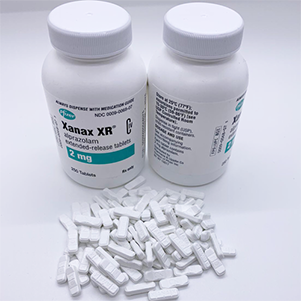
Description
Alprazolam 2mg is a prescription benzodiazepine used for the management of anxiety disorders and panic disorder. It works by enhancing the activity of gamma-aminobutyric acid (GABA), an inhibitory neurotransmitter in the central nervous system.
Because alprazolam can cause sedation and physical dependence, it should be used exactly as prescribed and monitored by a healthcare professional.
MedlinePlus – Alprazolam Medication Information
How Alprazolam Works
Alprazolam belongs to a group of medicines called benzodiazepines. These medicines enhance the effects of GABA, helping reduce excessive activity in the brain.
This can produce effects such as:
- Reduced anxiety
- Relaxation
- Reduced nervous-system activity
- Sleepiness or sedation
The goal of treatment is to manage clinically significant anxiety or panic symptoms—not simply to produce sedation.
The FDA has issued a boxed warning for benzodiazepines because of risks involving misuse, addiction, physical dependence, and withdrawal reactions.
FDA – Benzodiazepine Safety Information
Alprazolam 2mg and Anxiety
Anxiety can involve both psychological and physical symptoms, including excessive worry, restlessness, muscle tension, difficulty sleeping, rapid heartbeat, and difficulty concentrating.
Alprazolam may be prescribed for certain anxiety disorders when a clinician determines that a benzodiazepine is appropriate.
However, treatment for anxiety isn’t limited to medication. Psychotherapy, particularly cognitive behavioral therapy (CBT), is also an important evidence-based treatment approach for many anxiety disorders.
National Institute of Mental Health – Anxiety Disorders
Alprazolam and Panic Disorder
Alprazolam is also used for panic disorder, which can involve recurrent unexpected panic attacks and persistent concern about having additional attacks.
Panic attacks may involve:
- Sudden intense fear
- Rapid heartbeat
- Sweating
- Trembling
- Shortness of breath
- Chest discomfort
- Dizziness
- A feeling of losing control
A healthcare professional should determine whether symptoms are caused by panic disorder or another medical or psychological condition.
Common Side Effects
Alprazolam can cause side effects, and some may be more noticeable with higher doses.
Possible effects include:
- Drowsiness
- Dizziness
- Light-headedness
- Difficulty concentrating
- Impaired coordination
- Fatigue
- Changes in memory
Because alprazolam can impair alertness and coordination, patients should understand how the medication affects them before driving or performing activities requiring full attention.
Dependence and Withdrawal
One of the most important considerations with alprazolam is the possibility of physical dependence.
Dependence can develop even when a benzodiazepine is taken as prescribed. Abruptly stopping regular treatment can cause withdrawal symptoms, which may sometimes be serious.
Withdrawal can include:
- Anxiety
- Irritability
- Sleep problems
- Tremors
- Difficulty concentrating
- Restlessness
- Seizures in severe cases
For this reason, someone who has been taking alprazolam regularly should not suddenly stop taking it without medical guidance. A healthcare professional can determine whether a gradual reduction is appropriate.
The FDA specifically warns about serious withdrawal reactions associated with abrupt discontinuation or rapid dose reduction of benzodiazepines.
FDA – Benzodiazepine Prescribing Safety Update
Alprazolam and Alcohol
Combining alprazolam with alcohol can increase central nervous system depression.
This may result in substantially increased:
- Drowsiness
- Dizziness
- Impaired coordination
- Confusion
- Breathing problems
Alcohol should therefore be avoided unless a healthcare professional specifically advises otherwise.
Alprazolam and Opioids
Particular caution is necessary when benzodiazepines such as alprazolam are combined with opioid medicines.
The FDA warns that combining benzodiazepines with opioids can cause profound sedation, respiratory depression, coma, and death.
Never combine alprazolam with an opioid unless the combination has been specifically evaluated and prescribed by an appropriate healthcare professional.
Important Medication Interactions
Tell your doctor or pharmacist about every medicine you use, including:
- Prescription medicines
- Over-the-counter medicines
- Sleep medicines
- Opioids
- Antihistamines that cause drowsiness
- Alcohol
- Herbal products and supplements
Some medicines can alter how alprazolam is metabolized, potentially increasing its effects or side effects.
Is Alprazolam 2mg Appropriate for Everyone?
No.
The appropriate dose depends on factors such as the condition being treated, previous treatment, age, other medicines, liver function, medical history, and individual response.
A 2mg tablet should not be assumed to be an appropriate starting dose simply because it is available in that strength.
Patients should follow the exact instructions provided by their prescriber.
What Should You Do If You Miss a Dose?
If alprazolam is prescribed on a regular schedule and you miss a dose, follow your prescription instructions or ask your pharmacist what to do.
Do not take extra medication to compensate for a missed dose unless your healthcare professional specifically tells you to do so.
When to Seek Emergency Help
Seek immediate medical attention if someone taking alprazolam develops:
- Extreme sleepiness or inability to wake
- Slow or difficult breathing
- Severe confusion
- Loss of consciousness
- Severe allergic symptoms
- A suspected overdose
The risk can be particularly serious when benzodiazepines are combined with opioids, alcohol, or other central nervous system depressants.
Frequently Asked Questions
1. What is Alprazolam 2mg used for?
Alprazolam is prescribed for certain anxiety disorders and panic disorder.
2. Is Alprazolam 2mg a benzodiazepine?
Yes. Alprazolam belongs to the benzodiazepine class.
3. Can Alprazolam cause dependence?
Yes. Physical dependence and withdrawal can occur, including with prescribed use. The risk depends on factors such as duration and pattern of use.
4. Can I stop Alprazolam suddenly?
If you’ve been taking alprazolam regularly, don’t stop it abruptly without medical guidance because withdrawal can be serious.
5. Can Alprazolam be taken with alcohol?
Combining alprazolam and alcohol can increase sedation and other dangerous effects. Avoid the combination and discuss alcohol use with your healthcare professional.
Reviews
There are no reviews yet.