
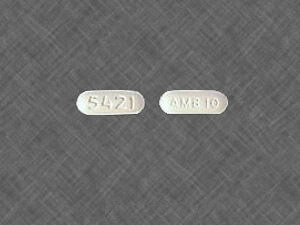
Description
Ambien 5mg contains zolpidem, a prescription sedative-hypnotic medication used for the short-term treatment of insomnia, particularly when difficulty falling asleep is the primary problem.
Zolpidem works by affecting activity in the brain to promote sleep. Because it can cause significant drowsiness, impaired alertness, unusual sleep behaviors, dependence, and other serious effects, it should be taken only exactly as prescribed.
For additional medication information, consult MedlinePlus: Zolpidem and the DailyMed database.
What Is Ambien 5mg?
Ambien is a brand name for zolpidem tartrate, a prescription medication belonging to the sedative-hypnotic class.
The immediate-release formulation is designed to help people who have difficulty falling asleep. The 5mg strength is one of the available immediate-release tablet strengths.
Zolpidem affects certain GABA-related activity in the central nervous system, helping produce the sedative effects needed to initiate sleep.
What Is Ambien 5mg Used For?
Ambien 5mg is prescribed for the treatment of insomnia, particularly problems with falling asleep.
Insomnia can have many causes, including:
- Stress
- Anxiety
- Irregular sleep schedules
- Certain medications
- Medical conditions
- Poor sleep habits
- Environmental factors
Medication may be appropriate in some circumstances, but persistent insomnia can require evaluation of its underlying cause.
Improving sleep hygiene and addressing contributing factors may also form part of an insomnia treatment plan.
How Does Zolpidem Work?
Zolpidem acts on receptors associated with gamma-aminobutyric acid (GABA), an inhibitory neurotransmitter in the brain.
By enhancing certain GABA-related activity, zolpidem decreases central nervous system activity and produces a sedative effect that can help initiate sleep.
Because this effect also reduces alertness and coordination, zolpidem should only be taken when you can devote adequate time to sleep.
Ambien 5mg Side Effects
Common side effects may include:
- Drowsiness
- Dizziness
- Headache
- Fatigue
- Sleepiness during the following day
- Reduced coordination
- Nausea
- Confusion or impaired concentration
Older adults may be particularly vulnerable to dizziness, confusion, and falls.
If side effects are persistent, severe, or unusual, contact your healthcare professional.
Serious Side Effects
Zolpidem has important safety warnings.
One of the most significant concerns is complex sleep behaviors, which can include activities such as sleepwalking, sleep-driving, preparing or eating food, making phone calls, or other activities while not fully awake.
These behaviors can result in serious injuries or death.
The FDA has issued a Boxed Warning concerning complex sleep behaviors associated with certain insomnia medicines, including zolpidem.
If you experience a complex sleep behavior after taking zolpidem, contact your healthcare professional promptly. Further use may need to be stopped depending on the circumstances.
Ambien and Next-Day Impairment
Even when you feel awake, zolpidem can sometimes affect:
- Reaction time
- Coordination
- Judgment
- Memory
- Concentration
- Driving ability
The risk can be higher if you do not get a full night’s sleep after taking the medication.
Do not drive or perform activities requiring complete alertness until you know how zolpidem affects you.
Ambien 5mg and Alcohol
Alcohol can substantially increase the sedative effects of zolpidem.
Combining alcohol with zolpidem may increase the risk of:
- Excessive sedation
- Confusion
- Poor coordination
- Memory problems
- Falls
- Dangerous impairment
- Breathing problems
Avoid alcohol while taking zolpidem unless your healthcare professional specifically advises otherwise.
Ambien and Other Medications
Tell your healthcare professional about all prescription medications, over-the-counter medicines, supplements, and substances you use.
Particular caution may be necessary when zolpidem is combined with other central nervous system depressants, including:
- Opioid pain medicines
- Benzodiazepines
- Other sleeping medicines
- Sedating antihistamines
- Certain psychiatric medications
- Alcohol
Combining multiple sedating substances can increase impairment and may lead to dangerous central nervous system depression.
Ambien 5mg Dosage Information
The appropriate zolpidem dose depends on the formulation, age, medical history, other medications, and individual response.
For immediate-release zolpidem, 5mg is a commonly prescribed dose, particularly in situations where a lower dose is appropriate.
The medication is generally taken once per night immediately before bedtime, when the patient can remain in bed for a full night’s sleep.
Do not take more than one dose during the same night unless specifically directed by your healthcare professional.
Always follow the exact prescription and the labeling for your particular zolpidem formulation.
How to Take Ambien Safely
Zolpidem should generally be taken immediately before going to bed.
Important precautions include:
- Take it only when you are ready to sleep.
- Make sure you have enough time for a full night’s sleep.
- Do not take an additional dose during the night.
- Do not combine it with alcohol.
- Avoid other sedatives unless specifically approved.
- Do not drive or operate machinery if impaired.
- Take the medication only as prescribed.
Taking zolpidem while you are not able to remain in bed for a sufficient period can increase the risk of next-day impairment.
Ambien Dependence and Withdrawal
Zolpidem can cause physical dependence, particularly when used for longer periods or in ways other than prescribed.
Stopping regular use suddenly may result in withdrawal symptoms or the return of severe insomnia.
Possible symptoms can include:
- Trouble sleeping
- Anxiety
- Restlessness
- Mood changes
- Sweating
- Tremors
- Nausea
- Other withdrawal symptoms
If you have been taking zolpidem regularly, speak with your healthcare professional before stopping it.
Ambien 5mg Overdose
Taking more zolpidem than prescribed can cause excessive central nervous system depression.
Potential overdose symptoms include:
- Extreme sleepiness
- Confusion
- Loss of coordination
- Reduced consciousness
- Difficulty staying awake
- Loss of consciousness
- Breathing problems, particularly when combined with other depressants
If an overdose is suspected, seek emergency medical assistance immediately.
Complex Sleep Behaviors
Complex sleep behaviors are an especially important safety concern with zolpidem.
A person may perform activities while partially or completely asleep and later have little or no memory of what occurred.
Examples can include:
- Walking while asleep
- Driving while asleep
- Cooking
- Eating
- Making phone calls
- Other potentially dangerous activities
If you experience a complex sleep behavior after taking zolpidem, stop taking the medication and contact your healthcare professional promptly unless you have been given different medical instructions.
Ambien 5mg in Older Adults
Older adults may be more sensitive to zolpidem’s effects.
Potential concerns include:
- Increased drowsiness
- Confusion
- Dizziness
- Falls
- Impaired coordination
- Next-day impairment
Healthcare professionals may consider lower doses or alternative treatments depending on the patient’s circumstances.
Ambien During Pregnancy and Breastfeeding
If you are pregnant, planning pregnancy, or breastfeeding, discuss zolpidem with your healthcare professional before using it.
Medication decisions during pregnancy and breastfeeding require consideration of potential benefits, risks, alternatives, and individual circumstances.
Do not change treatment without professional guidance.
Who Should Use Caution With Ambien?
Tell your healthcare professional if you have:
- A history of substance-use problems
- Depression or other mental health conditions
- Breathing problems
- Liver disease
- A history of sleepwalking or other unusual sleep behaviors
- A history of medication dependence
- Allergies to zolpidem
Your healthcare professional should also know about every medication or supplement you use.
How Should Ambien 5mg Be Stored?
Store zolpidem according to the product label and pharmacy instructions.
General precautions include:
- Keep it in a secure location.
- Store it away from excessive heat and moisture.
- Keep it out of reach of children and pets.
- Keep the medication in its original container when possible.
- Do not share prescription medication with another person.
Because zolpidem has misuse and dependence potential, secure storage is particularly important.
Frequently Asked Questions
What is Ambien 5mg?
Ambien 5mg contains 5 mg of zolpidem tartrate and is an immediate-release prescription medication used for insomnia, particularly difficulty falling asleep.
Is Ambien 5mg a sleeping pill?
Yes. Zolpidem is a prescription sedative-hypnotic medication used to help treat insomnia.
Does Ambien 5mg make you sleepy?
Yes. Drowsiness is the intended therapeutic effect, but zolpidem can also cause next-day impairment, dizziness, confusion, and reduced coordination.
Can Ambien be taken with alcohol?
No. Alcohol can intensify zolpidem’s sedative effects and increase the risk of dangerous impairment and other adverse effects.
Can Ambien cause unusual sleep behaviors?
Yes. Zolpidem has been associated with complex sleep behaviors such as sleepwalking and sleep-driving. These behaviors can cause serious injury or death.
Can Ambien cause dependence?
Yes. Zolpidem can lead to physical dependence, particularly with prolonged use or misuse. Discuss discontinuation with a healthcare professional rather than stopping regular use abruptly.
How often is Ambien taken?
Immediate-release zolpidem is generally prescribed as a once-nightly medication. Follow your individual prescription and never take additional doses unless specifically instructed.
Important Safety Information
Ambien (zolpidem) is a prescription sedative-hypnotic medication that should be used exactly as directed.
Important precautions include:
- Take only the prescribed amount.
- Take it immediately before going to bed.
- Ensure you can sleep for a full night after taking it.
- Do not take additional doses during the same night.
- Avoid alcohol.
- Use caution with opioids, benzodiazepines, and other sedating medicines.
- Do not drive if you are impaired.
- Report unusual sleep behaviors immediately.
- Keep the medication securely stored.
- Do not share your prescription.
- Discuss long-term use or discontinuation with your healthcare professional.
For current medication information and official safety guidance, consult MedlinePlus, the FDA, and DailyMed.