
Description
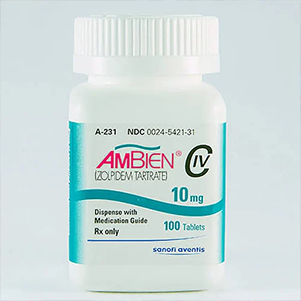
Ambien 10 mg contains zolpidem, a prescription sedative-hypnotic medication used for the short-term treatment of insomnia, particularly difficulty falling asleep. Zolpidem works by slowing activity in the brain to help promote sleep.
Insomnia can involve difficulty falling asleep, staying asleep, or waking earlier than desired. Persistent insomnia can affect daytime concentration, mood, energy, and overall quality of life. The National Library of Medicine’s MedlinePlus guide to insomnia provides additional information about symptoms, causes, and treatment approaches.
Zolpidem is generally taken immediately before bedtime when the patient has enough time available for a full night’s sleep. It should be used exactly as prescribed by a healthcare professional. MedlinePlus advises that people taking zolpidem tablets should plan to remain in bed for 7–8 hours after taking the medication.
How Ambien 10 mg Works
Zolpidem affects activity in the brain to produce a sleep-promoting effect. It is designed to help people with insomnia fall asleep more easily.
However, Ambien is not appropriate for every sleep problem. Persistent insomnia may have an underlying cause such as stress, anxiety, another medical condition, another medication, or an underlying sleep disorder.
For long-term insomnia, non-medication approaches can also be important. MedlinePlus notes that lifestyle changes and cognitive behavioral therapy can be useful components of insomnia treatment.
Important Information About Ambien 10 mg
Zolpidem can cause drowsiness, dizziness, impaired coordination, memory problems, and reduced alertness.
The FDA has specifically warned about next-morning impairment associated with zolpidem products, including potential impairment of activities requiring full alertness such as driving. The FDA also changed recommended dosing information because zolpidem can remain at levels that affect alertness the following morning.
Because individual response varies, the appropriate dose should be determined by a healthcare professional rather than selected independently.
Complex Sleep Behaviors
One of the most important safety concerns associated with zolpidem is the possibility of complex sleep behaviors.
Some people have reported activities such as sleep-driving, preparing or eating food, making phone calls, or other activities while not fully awake, with little or no memory of the event afterward.
According to MedlinePlus, patients should stop zolpidem and contact their healthcare professional immediately if they discover that they have engaged in unusual activities while asleep.
Ambien and Alcohol
Alcohol should not be combined with zolpidem.
Alcohol can increase the sedative effects of zolpidem and may worsen problems involving coordination, alertness, memory, and other central nervous system effects.
Patients should discuss alcohol use and all other medicines or substances with their healthcare professional before taking zolpidem.
Ambien and Other Medications
Before using zolpidem, tell your doctor or pharmacist about all prescription medicines, over-the-counter products, supplements, and herbal products you use.
This is particularly important when other medicines can cause drowsiness or sedation.
MedlinePlus specifically advises patients to tell their healthcare professional about other medications and substances they are taking because interactions may require changes in treatment or additional monitoring.
Is Ambien Habit-Forming?
Zolpidem can be habit-forming.
For this reason, it should be taken only according to the prescribed directions. Taking larger amounts, using it more frequently, or continuing treatment longer than recommended can increase risks.
MedlinePlus also warns that suddenly stopping zolpidem after longer-term use can result in withdrawal symptoms and worsening sleep difficulties.
Patients who have been using zolpidem regularly should discuss discontinuation with their healthcare professional rather than stopping treatment independently.
Common Side Effects
Possible side effects of zolpidem include:
- Drowsiness
- Dizziness
- Headache
- Tiredness
- Lightheadedness
- Unsteady walking
- Coordination problems
- Nausea
- Unusual dreams
- Memory or concentration difficulties
Not everyone experiences these effects.
Serious symptoms such as difficulty breathing, swelling of the face or throat, severe allergic reactions, unusual sleep behaviors, or significant changes in behavior or mental state require prompt medical attention.
Ambien 10 mg and Older Adults
Older adults may be more susceptible to adverse effects from sleep medicines, including dizziness, confusion, impaired coordination, and falls.
MedlinePlus advises older adults to discuss the risks and benefits of zolpidem with their healthcare provider because it may not be as safe or effective for some older patients as other options.
Ambien and Sleep Apnea
People with sleep-related breathing problems should tell their healthcare professional before using zolpidem.
Conditions such as sleep apnea and other breathing disorders can affect the safety of sedative medications.
A clinician can consider the person’s complete medical history before determining whether zolpidem is appropriate.
Safe Use of Ambien 10 mg
If zolpidem has been prescribed for you:
- Take it exactly as directed.
- Take it immediately before going to bed.
- Make sure you have sufficient time for a full night’s sleep.
- Do not take more than prescribed.
- Do not combine it with alcohol.
- Discuss other sedating medications with your doctor or pharmacist.
- Do not drive or perform activities requiring full alertness if you are experiencing impairment.
- Do not share the medication with another person.
- Contact your healthcare professional if insomnia persists or becomes worse.
The FDA’s information on zolpidem and next-morning impairment provides additional safety information for patients using zolpidem products.
Frequently Asked Questions
What is Ambien 10 mg?
Ambien 10 mg contains zolpidem, a prescription sedative-hypnotic used to treat insomnia. It is intended to help with difficulty falling asleep and should be used under medical supervision.
Is Ambien 10 mg a sleeping pill?
Yes. Zolpidem is a prescription sleep medicine belonging to the sedative-hypnotic class.
How long should I stay in bed after taking Ambien?
For standard zolpidem tablets, MedlinePlus advises planning to remain in bed for 7–8 hours after taking the medication.
Can Ambien cause next-day drowsiness?
Yes. Zolpidem can impair alertness and coordination the following morning. The FDA has specifically warned about next-morning impairment, including potential effects on driving.
Can Ambien cause unusual sleep behaviors?
Yes. Complex sleep behaviors, including sleep-driving and other activities performed while not fully awake, are an important safety concern associated with zolpidem.
Can I drink alcohol while taking Ambien?
Alcohol can increase zolpidem’s sedative effects and should be avoided unless your healthcare professional specifically advises otherwise.
Can I stop Ambien suddenly?
If you have been taking zolpidem regularly, don’t stop it abruptly without discussing it with your healthcare professional. Withdrawal symptoms and temporary worsening of insomnia can occur.
Final Summary
Ambien 10 mg (zolpidem) is a prescription sedative-hypnotic used for insomnia. It can help reduce difficulty falling asleep, but it also carries important safety considerations, including next-day impairment, complex sleep behaviors, sedation, interactions, and potential dependence.
Treatment for insomnia should address the underlying causes whenever possible. Sleep habits, behavioral approaches, and cognitive behavioral therapy may also play an important role, particularly when insomnia persists.
Always use zolpidem only as prescribed and discuss your complete medication and health history with your healthcare professional.
Medical Disclaimer: This information is provided for educational purposes only and does not constitute medical advice, diagnosis, or a recommendation to use or obtain Ambien. Prescription medicines should be used only under the direction of a qualified healthcare professional.
Reviews
There are no reviews yet.