
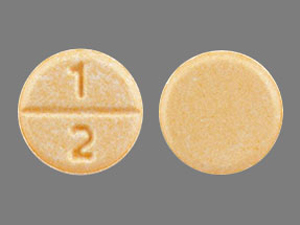
Description
Clonazepam is a prescription medication belonging to the benzodiazepine class. It is used to control certain types of seizures and to treat panic disorder. It works primarily by enhancing the effects of GABA, a neurotransmitter that helps reduce excessive activity in the brain.
For detailed patient information, the MedlinePlus Clonazepam Drug Information provides information about uses, precautions, side effects, and administration.
What Is Clonazepam?
It is a long-acting benzodiazepine medication that affects the central nervous system. It reduces excessive neuronal activity by enhancing the effects of GABA in the brain.
Clonazepam is prescribed for specific medical conditions rather than ordinary stress or occasional nervousness. In the United States, approved uses include certain seizure disorders and panic disorder characterized by recurrent unexpected panic attacks.
Because clonazepam can cause sedation, dependence, misuse, and withdrawal reactions, treatment should be supervised by a qualified healthcare professional.
What Is Clonazepam Used For?
For Panic Disorder
Clonazepam is prescribed for panic disorder, a condition involving recurrent and unexpected panic attacks.
Panic attacks can involve intense fear along with symptoms such as rapid heartbeat, trembling, sweating, dizziness, chest discomfort, or a feeling of losing control.
A healthcare professional determines whether clonazepam is appropriate based on symptoms, medical history, other medications, and individual risk factors.
For Seizures
It is also used to control certain types of seizures. Its effects on GABA can help decrease abnormal electrical activity in the brain.
The appropriate treatment depends on the type of seizure disorder and the patient’s overall health.
How Does It Work?
Clonazepam enhances the activity of gamma-aminobutyric acid (GABA), an inhibitory neurotransmitter in the central nervous system.
GABA helps slow excessive neuronal activity. By increasing GABA-related activity, clonazepam can produce calming, sedative, and anticonvulsant effects.
This mechanism also explains some of the medication’s common effects, including drowsiness, dizziness, impaired coordination, and slowed thinking.
Clonazepam Side Effects
Common clonazepam side effects can include:
- Drowsiness
- Dizziness
- Unsteadiness
- Problems with coordination
- Difficulty thinking
- Memory problems
These effects can interfere with driving, operating machinery, walking safely, or performing activities requiring concentration.
If side effects are severe, persistent, or interfere with everyday activities, contact your healthcare professional.
Serious Side Effects
Some clonazepam reactions can require immediate medical attention.
Seek emergency medical help if severe symptoms occur, including:
- Extreme sleepiness
- Unusual dizziness or lightheadedness
- Slow or difficult breathing
- Unresponsiveness
- Loss of consciousness
- Severe confusion
- Swelling of the face, lips, tongue, or throat
- Difficulty breathing or swallowing
- Severe allergic reactions
- Significant changes in mental health or behavior
- Thoughts of harming yourself or others
Clonazepam-related breathing problems are particularly concerning when the medication is combined with opioids, alcohol, or other central nervous system depressants.
Clonazepam and Opioids
Combining clonazepam with opioid medications can be dangerous.
The FDA and official clonazepam labeling warn that benzodiazepines taken with opioids can cause profound sedation, respiratory depression, coma, and death.
This combination should only be used when specifically determined to be appropriate by a healthcare professional. Patients should tell their doctor about all opioid pain medicines, cough medicines, and other medications they take.
Clonazepam and Alcohol
Alcohol can increase the sedating effects of clonazepam and may worsen dizziness, drowsiness, impaired coordination, and slowed thinking.
Official medication information advises discussing alcohol and other substances that cause sleepiness or dizziness with a healthcare professional before using them with clonazepam.
Clonazepam and Driving
Clonazepam can cause sleepiness, dizziness, impaired coordination, and slowed thinking or motor skills.
Do not drive, operate heavy machinery, or perform potentially dangerous activities until you know how clonazepam affects you.
Dependence and Withdrawal
One of the most important clonazepam warnings involves physical dependence and withdrawal.
The FDA requires boxed warnings for benzodiazepines addressing risks including abuse, misuse, addiction, physical dependence, and withdrawal reactions.
Withdrawal symptoms can include:
- Anxiety
- Restlessness
- Sleep problems
- Difficulty concentrating
- Tremors
- Muscle twitching
- Changes in mental health
- Seizures
- Other nervous system symptoms
Clonazepam should not be stopped suddenly after regular use without medical guidance. A healthcare professional can determine an appropriate approach to discontinuing treatment.
Misuse and Addiction
Clonazepam is a controlled prescription medication with recognized risks of abuse, misuse, addiction, and physical dependence.
Taking more clonazepam than prescribed, taking it more frequently, using another person’s prescription, or combining it with other substances can increase the risk of serious complications.
Patients should take clonazepam only as prescribed and keep the medication securely stored.
Drug Interactions
It can interact with medications and substances that affect the central nervous system.
Important interactions may involve:
- Opioid medications
- Opioid-containing cough medicines
- Alcohol
- Other benzodiazepines
- Sedating medications
- Certain psychiatric medications
- Other central nervous system depressants
Before starting clonazepam, provide your doctor or pharmacist with a complete list of prescription medicines, over-the-counter products, vitamins, and supplements.
Dosage Information
The appropriate dosage depends on the medical condition being treated, response to treatment, age, other medications, and individual health factors.
It should be taken exactly as prescribed. Do not increase the dose, take it more frequently, or use it longer than directed.
For certain patients, healthcare professionals may begin treatment with a lower dose and adjust treatment gradually according to response and tolerability.
Because It can cause dependence and withdrawal, dosage changes should be supervised by the prescribing healthcare professional.
What If You Miss a Clonazepam Dose?
If you miss a dose, follow the instructions provided by your healthcare professional or pharmacist.
Do not take a double dose to make up for a missed dose. MedlinePlus specifically advises against doubling the dose after a missed dose.
Clonazepam Overdose
A clonazepam overdose may cause:
- Severe drowsiness
- Confusion
- Loss of consciousness
- Coma
- Breathing problems, particularly when combined with other depressant substances
An overdose involving clonazepam and opioids or other central nervous system depressants can be particularly dangerous.
If an overdose is suspected, seek emergency medical assistance immediately.
Clonazepam Precautions
Before taking clonazepam, tell your healthcare professional if you have a history of:
- Lung or breathing problems
- Liver disease
- Kidney disease
- Glaucoma
- Mental health conditions
- Substance misuse
- Alcohol misuse
- Allergies or previous reactions to medications
Your doctor should also know about all other medications and supplements you use because clonazepam can interact with numerous substances.
Clonazepam in Older Adults
Older adults may be more sensitive to benzodiazepine-related drowsiness, dizziness, impaired coordination, and confusion.
These effects can increase the risk of falls and injuries. Healthcare professionals may therefore carefully evaluate the benefits and potential risks of clonazepam treatment in older patients.
Clonazepam During Pregnancy
If you are pregnant, planning to become pregnant, or breastfeeding, discuss clonazepam treatment with your healthcare professional.
Do not start, change, or stop clonazepam during pregnancy without medical advice. Treatment decisions should consider the potential benefits and risks for both the patient and baby.
How to Store Clonazepam
Keep clonazepam in its original container, tightly closed, and stored according to the medication label.
Store it at room temperature and protect it from excessive heat and moisture. Keep clonazepam securely out of the reach of children and anyone for whom it was not prescribed.
Unused medication should be disposed of through an appropriate medication take-back program when available.
Frequently Asked Questions About Clonazepam
What is clonazepam used for?
It is used to control certain types of seizures and to treat panic disorder.
Is clonazepam a benzodiazepine?
Yes, it belongs to the benzodiazepine class of medications.
Does It make you sleepy?
Yes. Drowsiness is a common side effect. Dizziness, unsteadiness, impaired coordination, and difficulty thinking or remembering may also occur.
Can It cause dependence?
Yes. Benzodiazepines including clonazepam can cause physical dependence. The FDA also warns about abuse, misuse, addiction, and withdrawal reactions.
Can it be stopped suddenly?
Clonazepam should not be stopped suddenly after regular use without medical guidance because withdrawal reactions can be serious and may include seizures.
Can clonazepam be taken with opioids?
The combination can cause severe sedation and respiratory depression and may result in coma or death. Use together only under appropriate medical supervision.
Can you drink alcohol while taking it?
Alcohol can increase clonazepam-related drowsiness and dizziness and may increase safety risks. Discuss alcohol use with your healthcare professional.
Safety Information
Clonazepam can be an effective prescription medication for appropriate medical conditions, but it has important safety considerations. The main concerns include sedation, impaired coordination, interactions with opioids and other central nervous system depressants, misuse, dependence, and withdrawal.
Reviews
There are no reviews yet.