
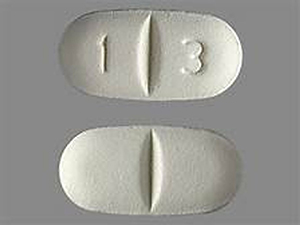
Description
Gabapentin 600 mg is a prescription medication belonging to the anticonvulsant class. Gabapentin is used with other medications to help control certain types of seizures and is also approved for the treatment of postherpetic neuralgia, the nerve pain that can remain after shingles. Different gabapentin formulations have different approved uses, so the exact product prescribed is important.
The 600 mg strength of gabapentin is available in oral tablet formulations. Treatment should be taken exactly as prescribed because gabapentin can cause dizziness, drowsiness, coordination problems, and other adverse effects.
What Is Gabapentin 600 mg?
Gabapentin 600 mg is a specific strength of the medication gabapentin. It affects signaling within the nervous system and is commonly used for conditions involving abnormal electrical activity in the brain or certain types of nerve pain.
Gabapentin is chemically different from traditional opioid pain medicines and benzodiazepines. Its exact mechanism for relieving certain types of nerve pain is not completely understood, although it is known to affect calcium-channel-related signaling in the nervous system.
For comprehensive patient information, consult the MedlinePlus Gabapentin Drug Information.
What Is Gabapentin 600 mg Used For?
Gabapentin for Nerve Pain
Gabapentin capsules, tablets, and oral solution are approved for the management of postherpetic neuralgia (PHN) in adults.
Postherpetic neuralgia is nerve pain that may continue after a shingles infection has healed. It may feel like burning, stabbing, aching, tingling, or heightened sensitivity to touch.
Healthcare professionals may also prescribe gabapentin for other types of nerve pain when clinically appropriate. Some uses are considered off-label and should be discussed with a healthcare professional.
Gabapentin for Seizures
Gabapentin is used as an adjunctive treatment for certain partial-onset seizures. It may help reduce abnormal electrical activity in the brain.
Gabapentin should not be stopped suddenly in people taking it for seizure control because abrupt discontinuation can increase seizure frequency.
How Does Gabapentin Work?
The precise mechanism responsible for gabapentin’s effects is not completely established.
For seizure treatment, gabapentin decreases abnormal excitation in the brain. For postherpetic neuralgia, it changes the way the body senses and responds to pain.
Because gabapentin acts on the nervous system, it can also cause effects such as drowsiness, dizziness, impaired coordination, and slowed thinking.
Gabapentin 600 mg Side Effects
Common gabapentin side effects may include:
- Drowsiness
- Dizziness
- Tiredness or weakness
- Headache
- Unsteadiness
- Loss of coordination
- Blurred or double vision
- Memory problems
- Tremors
- Nausea
- Vomiting
- Diarrhea
- Dry mouth
- Constipation
- Swelling of the hands, feet, ankles, or lower legs
- Weight gain
Not everyone experiences these effects, and some symptoms may improve as the body adjusts to treatment.
Contact your healthcare professional if side effects are persistent, severe, or interfere with everyday activities.
Serious Gabapentin Side Effects
Serious reactions require prompt medical attention.
Seek emergency medical care for symptoms such as:
- Difficulty breathing
- Extreme sleepiness
- Confusion
- Bluish lips or fingertips
- Swelling of the face, lips, tongue, or throat
- Difficulty swallowing
- Severe rash
- Severe allergic reaction
- Seizures or significant changes in seizure activity
Current prescribing information warns that respiratory depression may occur, particularly when gabapentin is used with other central nervous system depressants such as opioids or in people with underlying respiratory impairment.
Gabapentin 600 mg and Breathing Problems
Gabapentin can cause respiratory depression in certain circumstances. The risk may be higher in people with respiratory problems or when gabapentin is combined with other central nervous system depressants.
The FDA has specifically warned about serious breathing problems associated with gabapentin and related medicines in patients with respiratory risk factors or when used with CNS depressants.
Anyone experiencing severe sleepiness, confusion, slowed breathing, or difficulty breathing should receive immediate medical attention.
Gabapentin 600 mg and Opioids
Combining gabapentin with opioid medications may increase central nervous system depression and the risk of serious breathing problems.
Tell your healthcare professional if you take opioid pain medicines, sedatives, sleeping medications, or other medicines that can cause drowsiness. Your healthcare professional can determine whether the combination is appropriate and whether additional monitoring is necessary.
Gabapentin 600 mg and Alcohol
Alcohol can increase the drowsiness and dizziness caused by gabapentin.
Avoid alcohol or discuss alcohol consumption with your healthcare professional before using it during treatment. Combining substances that depress the central nervous system can increase impairment and safety risks.
Gabapentin 600 mg and Driving
Gabapentin may cause drowsiness, dizziness, slowed thinking, blurred vision, and loss of coordination.
Do not drive or operate machinery until you know how the medication affects you and your healthcare professional considers these activities safe.
Gabapentin 600 mg Dosage Information
The appropriate gabapentin dosage varies according to the condition being treated, age, kidney function, other medications, and individual response.
A 600 mg tablet does not necessarily mean that 600 mg is the appropriate total daily dose. Some treatment plans use 600 mg tablets as part of a larger prescribed daily regimen.
Gabapentin dosage may be gradually adjusted by a healthcare professional. Patients with reduced kidney function may require dosage adjustments because gabapentin is eliminated primarily through the kidneys.
Do not change your prescribed dose or frequency without speaking with your healthcare professional.
Gabapentin 600 mg and Kidney Function
Kidney function is an important consideration when using gabapentin.
Because the medication is eliminated through the kidneys, people with reduced renal function may require a different dosage or dosing schedule. Current prescribing information recommends adjusting gabapentin dosing in patients with reduced kidney function.
Tell your doctor if you have kidney disease or have been told that your kidney function is reduced.
What Happens If You Miss Gabapentin 600 mg?
If you forget a regular gabapentin dose, follow the instructions provided by your doctor or pharmacist.
Do not take a double dose to compensate for a missed dose. If it is almost time for the next dose, the missed dose may need to be skipped according to your medication instructions.
Can Gabapentin 600 mg Be Stopped Suddenly?
Gabapentin should not generally be discontinued abruptly without medical advice.
Suddenly stopping gabapentin can cause withdrawal symptoms such as anxiety, difficulty sleeping, nausea, pain, and sweating. In people taking gabapentin for seizure control, abrupt discontinuation may increase seizure frequency.
A healthcare professional can determine an appropriate discontinuation or tapering plan.
Gabapentin 600 mg Drug Interactions
Gabapentin can interact with other medications and substances.
Tell your healthcare professional if you use:
- Opioid pain medicines
- Sedative medications
- Sleeping medications
- Other medicines that cause drowsiness
- Antacids containing aluminum or magnesium
- Vitamins or supplements
- Other prescription or nonprescription medications
Antacids containing aluminum or magnesium can affect gabapentin absorption. MedlinePlus recommends separating these antacids from gabapentin by at least two hours.
Gabapentin 600 mg Precautions
Before taking gabapentin, tell your healthcare professional if you have:
- Kidney disease
- Lung or breathing problems
- A history of medication allergies
- A history of mood changes or suicidal thoughts
- Pregnancy or plans to become pregnant
- A need to undergo surgery
Your doctor should also know about every medication, vitamin, supplement, and herbal product you use.
Gabapentin and Mental Health Changes
Anticonvulsant medications, including gabapentin, have been associated with suicidal thoughts and behavior in a small number of patients.
Contact a healthcare professional promptly if you or someone close to you notices new or worsening depression, anxiety, agitation, aggression, unusual behavior, severe mood changes, or thoughts about self-harm.
Gabapentin 600 mg During Pregnancy
If you are pregnant, planning to become pregnant, or breastfeeding, discuss gabapentin treatment with your healthcare professional.
Do not start, change, or discontinue gabapentin during pregnancy without medical advice. Your healthcare professional can evaluate the potential benefits and risks of treatment.
How to Store Gabapentin 600 mg
Store gabapentin according to the instructions provided with your prescription product.
Gabapentin tablets and capsules are generally stored at room temperature and protected from excessive heat and moisture. Keep the medication securely away from children and anyone for whom it was not prescribed.
Dispose of unused medication through an appropriate medication take-back program when available.
Frequently Asked Questions About Gabapentin 600 mg
What is Gabapentin 600 mg used for?
Gabapentin is used for certain seizure disorders and postherpetic neuralgia. Different formulations may have additional approved uses.
Is 600 mg a common gabapentin strength?
Yes. Gabapentin 600 mg tablets are an available prescription strength. Current DailyMed labeling lists 600 mg among available gabapentin tablet strengths.
Does gabapentin 600 mg cause drowsiness?
It can. Drowsiness, dizziness, fatigue, and impaired coordination are among the reported adverse effects of gabapentin.
Can gabapentin 600 mg cause dependence or withdrawal?
Gabapentin can cause withdrawal symptoms when treatment is stopped suddenly, particularly after regular use. Medical guidance is recommended when discontinuing treatment.
Can gabapentin 600 mg be taken with opioids?
Gabapentin and opioids can increase the risk of central nervous system depression and breathing problems. Tell your healthcare professional about opioid use before taking gabapentin.
Can gabapentin 600 mg be taken with alcohol?
Alcohol may increase gabapentin-related drowsiness and dizziness. Discuss alcohol use with your healthcare professional.
Does gabapentin 600 mg treat nerve pain?
Gabapentin is approved for the management of postherpetic neuralgia, a type of nerve pain following shingles. Healthcare professionals may also use gabapentin for other types of neuropathic pain when clinically appropriate.
Gabapentin 600 mg Safety Information
Gabapentin 600 mg should be used only according to the directions of a qualified healthcare professional. Important safety considerations include drowsiness, dizziness, impaired coordination, kidney-related dosing considerations, withdrawal symptoms after abrupt discontinuation, and potentially serious breathing problems when combined with CNS depressants.
For the most current prescribing information, consult the official DailyMed Gabapentin labeling and MedlinePlus Gabapentin information.