
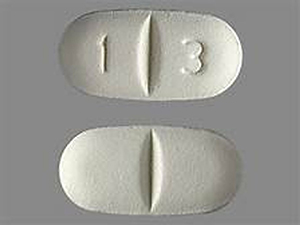
Description
Gabapentin 800 mg is a prescription medicine used to treat certain types of nerve-related pain and seizures. It belongs to a class of medicines known as anticonvulsants and is available in several oral formulations.
Gabapentin may be prescribed for postherpetic neuralgia, a type of nerve pain that can develop after shingles, and for certain seizure disorders. Some gabapentin formulations have additional approved indications, so the exact product and formulation matter when determining its approved use.
For reliable patient information, the U.S. National Library of Medicine’s MedlinePlus information on Gabapentin provides an overview of its uses, precautions, side effects, and important warnings.
Gabapentin is available in different strengths and formulations. The 800 mg strength is commonly supplied as an oral tablet, although availability and appearance can vary by manufacturer.
Because different gabapentin products can have different approved indications and instructions, patients should follow the specific prescription and product labeling provided by their healthcare professional.
What Is Gabapentin 800 mg?
Gabapentin is a medication that affects signaling within the nervous system. Although it was originally developed as an anticonvulsant, it is also widely used for certain forms of neuropathic pain.
Unlike opioid pain medicines, gabapentin does not work by activating opioid receptors. Its precise mechanism of action is not completely understood, but it is believed to affect calcium channels in nerve cells and reduce abnormal neuronal signaling.
The FDA’s gabapentinoid safety communication highlights important respiratory risks associated with gabapentin, particularly when it is combined with other central nervous system depressants or used by people with certain respiratory risk factors.
Gabapentin 800 mg Uses
Gabapentin may be prescribed for several medical conditions depending on the specific formulation.
Nerve Pain
Gabapentin is used to manage certain types of neuropathic pain. One established indication is postherpetic neuralgia, persistent nerve pain that can occur following shingles.
Nerve pain can feel different from ordinary muscle or joint pain. People may experience burning, tingling, shooting sensations, sensitivity to touch, or electric-shock-like discomfort.
Seizure Disorders
Gabapentin is also used as an adjunctive treatment for certain partial-onset seizures.
The medication can help reduce abnormal electrical activity associated with seizures when used according to a clinician’s treatment plan.
The MedlinePlus Gabapentin guide provides additional information about these approved uses and precautions.
How Does Gabapentin Work?
Gabapentin affects communication between nerve cells. Although its exact mechanism is not completely established, it is structurally related to the neurotransmitter GABA but does not act in the same way as GABA.
Gabapentin binds to a specific subunit of voltage-gated calcium channels in the nervous system. This can influence the release of excitatory neurotransmitters and reduce excessive neuronal signaling.
This activity helps explain why gabapentin can be useful in both seizure management and certain types of nerve pain.
Gabapentin 800 mg Side Effects
Like all prescription medicines, gabapentin can cause side effects.
Common side effects may include:
- Dizziness
- Drowsiness
- Fatigue
- Loss of coordination
- Blurred or double vision
- Swelling of the hands or feet
- Unusual or involuntary eye movements
- Difficulty with concentration
Some people may experience side effects when treatment begins or when the dose is changed. These effects may improve as the body adjusts, but persistent or severe symptoms should be discussed with a healthcare professional.
Serious Side Effects
Although serious reactions are less common, patients should be aware of warning signs that require medical attention.
Seek urgent medical help for symptoms such as:
- Difficulty breathing
- Severe confusion
- Extreme sleepiness or inability to stay awake
- Swelling of the face, lips, tongue, or throat
- Severe rash
- Persistent fever
- Unusual bruising or bleeding
- Significant behavioral or mood changes
The FDA gabapentin safety warning notes that serious breathing difficulties can occur in some people taking gabapentin, especially when respiratory risk factors or other central nervous system depressants are involved.
Gabapentin and Breathing Problems
Gabapentin can cause respiratory depression in susceptible individuals.
The risk may be greater when gabapentin is taken together with opioids or other medicines that depress the central nervous system. People with underlying respiratory conditions may also require additional caution.
Symptoms such as unusually slow or shallow breathing, severe sedation, confusion, or difficulty waking require immediate medical attention.
Patients should tell their healthcare professional about all medicines they take before starting gabapentin.
Gabapentin and Opioids
Gabapentin is sometimes prescribed alongside other medications for certain pain conditions, but combining it with opioids can increase central nervous system depression.
Potential consequences include:
- Excessive sedation
- Dizziness
- Impaired coordination
- Respiratory depression
- Loss of consciousness
- Potentially fatal breathing problems
The FDA specifically recommends careful consideration of these risks when gabapentinoids such as gabapentin are combined with opioids or other CNS depressants.
Gabapentin and Alcohol
Alcohol can increase some of the sedating effects associated with gabapentin.
Combining the two may increase:
- Drowsiness
- Dizziness
- Poor coordination
- Impaired judgment
- Difficulty concentrating
Patients should discuss alcohol consumption with their healthcare professional and avoid activities requiring alertness if they feel drowsy or impaired.
Gabapentin and Driving
Gabapentin may cause dizziness, sleepiness, blurred vision, or reduced coordination.
For this reason, patients should not drive, operate machinery, or perform potentially hazardous activities until they understand how gabapentin affects them.
This is particularly important when treatment has recently started or the prescribed regimen has changed.
Gabapentin Withdrawal and Stopping Treatment
Gabapentin should not generally be discontinued suddenly after regular use without medical guidance.
Stopping treatment abruptly may increase the risk of withdrawal symptoms and, in people taking gabapentin for seizure disorders, may increase seizure risk.
Possible withdrawal symptoms can include:
- Anxiety
- Insomnia
- Nausea
- Sweating
- Pain
- Restlessness
- Headache
A healthcare professional can determine whether gabapentin should be reduced gradually.
Gabapentin Dependence and Misuse
Gabapentin is not an opioid, but it can still be misused and can cause physical dependence in some people.
The risk may be particularly relevant when gabapentin is combined with other sedating substances. Patients should take the medication only as prescribed and should never share prescription gabapentin with another person.
If someone feels they need more medication than prescribed or has difficulty controlling their use, they should speak with a healthcare professional.
Gabapentin Drug Interactions
Before taking Gabapentin 800 mg, tell your healthcare professional about all prescription and nonprescription medicines you use.
Important interactions can involve:
- Opioid pain medicines
- Other sedatives
- Certain medications that cause drowsiness
- Antacids containing aluminum or magnesium
Antacids can affect the absorption of gabapentin. MedlinePlus recommends separating certain antacid products from gabapentin according to the medication instructions.
Because interaction risks depend on the specific medicines involved, a pharmacist or physician should review the complete medication list.
Gabapentin 800 mg and Kidney Function
Gabapentin is eliminated primarily through the kidneys. People with impaired kidney function may require individualized treatment and monitoring.
Older adults and patients with known kidney disease should inform their healthcare professional before taking gabapentin.
The appropriate regimen depends on kidney function, the formulation being used, the condition being treated, and other individual factors.
Gabapentin During Pregnancy
Anyone who is pregnant, planning pregnancy, or breastfeeding should discuss gabapentin treatment with a healthcare professional.
Do not stop gabapentin suddenly because of pregnancy without medical advice, particularly if it is being used to control seizures.
A clinician can weigh potential benefits and risks and determine the most appropriate treatment plan.
Gabapentin Storage
Keep gabapentin in its original container and store it according to the product labeling.
Prescription medicines should be kept out of reach of children and people for whom they were not prescribed.
Unused medication should not be shared with others. Ask a pharmacist or local medication take-back program about appropriate disposal options.
Frequently Asked Questions
What is Gabapentin 800 mg used for?
Gabapentin is used for certain types of nerve pain and as an adjunctive treatment for certain seizure disorders. The approved indication depends on the specific formulation.
Is Gabapentin 800 mg a painkiller?
Gabapentin can help manage certain types of neuropathic or nerve pain, but it is different from traditional painkillers such as acetaminophen, NSAIDs, or opioids.
Is Gabapentin 800 mg an opioid?
No. Gabapentin is an anticonvulsant and is not an opioid.
Can Gabapentin 800 mg make you sleepy?
Yes. Drowsiness and dizziness are recognized side effects. These effects can be stronger when gabapentin is combined with alcohol, opioids, or other CNS depressants.
Can Gabapentin be stopped suddenly?
Regular gabapentin treatment should generally not be stopped abruptly without medical guidance. A healthcare professional can determine the safest way to discontinue treatment.
Can Gabapentin affect breathing?
Yes. The FDA warns that gabapentin can cause serious breathing problems in certain patients, particularly when combined with opioids or other CNS depressants or in people with respiratory risk factors.
What should I do if I miss a dose?
Follow the instructions provided with your prescription. Do not take extra medication to compensate for a missed dose unless your healthcare professional specifically instructs you to do so.
Is Gabapentin 800 mg available as a tablet?
Yes. Gabapentin 800 mg is available in oral tablet formulations, although the exact appearance and formulation depend on the manufacturer.
Important Safety Information
Gabapentin 800 mg should be used only under appropriate medical supervision. Patients should follow their prescription instructions and should not independently increase, decrease, or discontinue treatment.
Seek immediate medical attention for severe breathing difficulties, extreme sedation, serious allergic reactions, or other potentially life-threatening symptoms.
For reliable and current medication information, consult MedlinePlus and the FDA’s gabapentin safety communication.
cts, interactions, withdrawal risks, and important safety information.