
Description
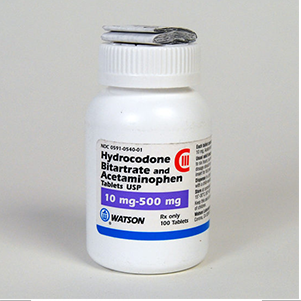
Hydrocodone 10/500 mg refers to a combination formulation containing 10 mg of hydrocodone and 500 mg of acetaminophen per tablet. Hydrocodone is an opioid analgesic that changes how the nervous system responds to pain, while acetaminophen provides additional pain-relieving activity.
Because formulations can vary by manufacturer and market, the exact strength and ingredients should always be confirmed against the product’s official labeling. DailyMed provides official U.S. medication labeling submitted to the FDA.
Active Ingredients
A product labeled Hydrocodone 10/500 mg indicates:
- Hydrocodone – 10 mg
- Acetaminophen – 500 mg
The combination of an opioid and acetaminophen requires attention to the safety considerations associated with both ingredients.
For patient-focused information, see MedlinePlus: Hydrocodone Combination Products.
What Is Hydrocodone 10/500 mg Used For?
Hydrocodone combination medicines may be prescribed for pain when an opioid analgesic is considered appropriate. The decision to use an opioid depends on factors such as the cause and severity of pain, previous treatment, medical history, and other medications.
How Does Hydrocodone Work?
Hydrocodone acts on opioid receptors in the central nervous system and changes the way the brain and body perceive pain. Acetaminophen works through a different pain-relieving mechanism.
Because hydrocodone can cause sedation and respiratory depression, treatment requires careful adherence to the prescribed dose and instructions.
Acetaminophen Safety
The 500 mg acetaminophen component is an important safety consideration. Acetaminophen is found in numerous prescription and over-the-counter medicines, and accidentally taking multiple acetaminophen-containing products can result in excessive exposure.
Too much acetaminophen can cause severe liver damage or liver failure. The FDA acetaminophen safety information explains how consumers can reduce the risk of accidental overdose.
Dosage Information
The appropriate dosage is determined by a healthcare professional based on the patient’s medical condition, previous opioid exposure, response to treatment, and other individual factors.
Do not take more than prescribed, take doses more frequently, or change the treatment schedule without speaking with your prescriber.
Important Opioid Warning
Hydrocodone can cause serious and potentially life-threatening respiratory depression. The risk is particularly important when treatment is initiated or when the dosage is increased.
Warning signs such as unusually slow breathing, severe difficulty breathing, extreme sleepiness, or inability to wake require immediate emergency medical attention.
The CDC’s opioid guidance provides additional information about opioid risks and appropriate clinical use.
Dependence, Misuse, and Addiction
Hydrocodone has the potential to cause misuse, addiction, physical dependence, and overdose.
Patients who have been taking opioids regularly should not abruptly change or discontinue treatment without discussing it with their healthcare professional, as withdrawal symptoms can occur.
Common Side Effects
Possible side effects associated with hydrocodone combination products include:
- Drowsiness
- Dizziness
- Nausea
- Vomiting
- Constipation
- Lightheadedness
- Sleepiness
Hydrocodone may impair concentration and coordination. Patients should avoid driving or operating machinery until they know how the medication affects them.
Interactions With Alcohol and Other Medicines
Alcohol and other central nervous system depressants can increase hydrocodone’s sedating effects and raise the risk of respiratory depression, profound sedation, coma, and death.
Tell your healthcare professional about all prescription medicines, over-the-counter drugs, supplements, and other substances you use.
For additional information, consult the FDA’s opioid medication safety information.
Safe Storage and Disposal
Hydrocodone should be stored securely and kept away from children and anyone for whom it was not prescribed.
Unused medication should be disposed of appropriately. The FDA’s Safe Disposal of Medicines resource provides current guidance on medication disposal.
Frequently Asked Questions
What does Hydrocodone 10/500 mg mean?
The designation generally refers to a formulation containing 10 mg hydrocodone and 500 mg acetaminophen per tablet. The exact product should be verified using its official packaging and labeling.
Is Hydrocodone 10/500 mg an opioid?
Yes. Hydrocodone is an opioid analgesic.
What is the purpose of acetaminophen?
Acetaminophen provides additional pain-relieving activity. However, taking too much acetaminophen can cause serious liver injury.
Can hydrocodone cause drowsiness?
Yes. Drowsiness, dizziness, and reduced alertness can occur. Driving and other activities requiring full alertness may be unsafe.
Can hydrocodone cause dependence?
Yes. Hydrocodone can cause physical dependence, misuse, addiction, and overdose.
Reviews
There are no reviews yet.