
Description
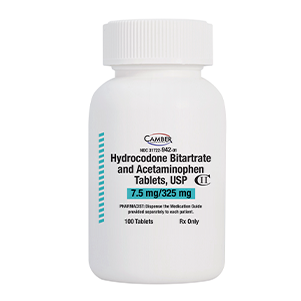
Hydrocodone 7.5 mg/325 mg is a prescription combination pain medicine containing hydrocodone and acetaminophen. Each tablet contains 7.5 mg of hydrocodone and 325 mg of acetaminophen.
Hydrocodone is an opioid analgesic that acts on the central nervous system to change how the body perceives pain. Acetaminophen is a non-opioid analgesic that provides additional pain-relieving effects.
Because hydrocodone is an opioid, this medication carries important risks, including respiratory depression, misuse, addiction, tolerance, and physical dependence. It should be taken only under the direction of a qualified healthcare professional.
For general patient information, consult MedlinePlus: Hydrocodone Combination Products.
Active Ingredients
Each tablet contains:
- Hydrocodone: 7.5 mg
- Acetaminophen: 325 mg
Inactive ingredients and tablet appearance can vary depending on the manufacturer. Always check the dispensing label for the specific product prescribed to you.
Manufacturer-specific prescribing information can be found through DailyMed.
How It Works
Hydrocodone works primarily through opioid receptors in the central nervous system, reducing the perception and emotional response to pain.
Acetaminophen works through a separate pain-relieving mechanism. The combination may therefore provide analgesic effects through two different pathways.
However, because both ingredients have important safety considerations, patients should use the medicine exactly as directed and discuss other medicines with their doctor or pharmacist.
Important Safety Information
One of the most serious risks associated with hydrocodone is respiratory depression, meaning breathing can become dangerously slow or shallow.
The risk may increase when hydrocodone is taken in excessive amounts or combined with alcohol, benzodiazepines, sleeping medicines, or other central-nervous-system depressants.
Seek emergency medical assistance if someone taking an opioid develops:
- Very slow or shallow breathing
- Extreme difficulty staying awake
- Inability to wake normally
- Loss of consciousness
- Blue, gray, or pale lips or skin
The FDA’s opioid medication safety information provides additional information about opioid-related risks.
Acetaminophen Safety
Hydrocodone 7.5/325 mg also contains acetaminophen.
Taking excessive amounts of acetaminophen can cause serious liver injury. An important concern is accidentally taking acetaminophen from several different medicines at the same time.
Patients should therefore check the active ingredients in all prescription and over-the-counter medicines they use and ask a pharmacist or healthcare professional before adding another acetaminophen-containing product.
The FDA’s acetaminophen information provides additional safety information.
Common Side Effects
Potential side effects may include:
- Drowsiness
- Dizziness
- Nausea
- Vomiting
- Constipation
- Lightheadedness
- Sleepiness
Individual responses can vary.
Severe sedation, difficulty breathing, fainting, or difficulty waking should be treated as potentially serious symptoms requiring urgent medical attention.
Dependence and Withdrawal
Repeated opioid use can result in physical dependence. This means the body adapts to the presence of the medicine.
If someone has been taking hydrocodone regularly, suddenly stopping it can cause withdrawal symptoms.
Possible symptoms include:
- Restlessness
- Sweating
- Muscle aches
- Runny nose
- Sleep difficulties
- Nausea
- Abdominal discomfort
- Anxiety
Anyone considering stopping long-term opioid therapy should discuss an appropriate plan with their healthcare professional rather than making abrupt changes independently.
Drug Interactions
Hydrocodone can interact with numerous medicines and substances.
Particular caution is needed with other medicines that cause sedation or slow breathing. Combining opioids with benzodiazepines or alcohol can substantially increase the risk of severe sedation and respiratory depression.
Tell your doctor or pharmacist about all prescription medicines, over-the-counter medicines, supplements, and other substances you use.
The CDC’s opioid guidance provides information about opioid prescribing and safety considerations.
Driving and Alertness
Hydrocodone may cause drowsiness, dizziness, impaired judgment, or slower reactions.
Patients should follow their healthcare professional’s advice regarding driving and operating machinery, particularly when beginning treatment or when the medication regimen changes.
Avoid combining the medicine with alcohol or other sedating substances unless specifically advised by a healthcare professional.
Safe Storage and Disposal
Prescription opioids should be stored securely and kept away from children and anyone for whom the medication was not prescribed.
Never share prescription opioid medication with another person.
For information about appropriate disposal of unused medicines, consult the FDA’s Safe Disposal of Medicines resources.
Frequently Asked Questions
What is Hydrocodone 7.5/325 mg?
It is a prescription combination medicine containing 7.5 mg of hydrocodone and 325 mg of acetaminophen per tablet.
Does it contain an opioid?
Yes. Hydrocodone is an opioid analgesic.
Does it contain acetaminophen?
Yes. Each tablet contains 325 mg of acetaminophen.
Can it cause dependence?
Yes. Repeated opioid use can lead to physical dependence, and hydrocodone also carries a risk of misuse and addiction.
Can I take another acetaminophen medicine with it?
Do not automatically combine it with another acetaminophen-containing product. Doing so can increase total acetaminophen exposure and potentially increase the risk of liver injury. Ask a pharmacist or healthcare professional first.
What should I do if an overdose is suspected?
Treat a suspected opioid overdose as an emergency. Call your local emergency service immediately. In the United States, call 911. If naloxone is available, use it according to its instructions while emergency assistance is being obtained.
Final Summary
Hydrocodone 7.5 mg/325 mg contains 7.5 mg hydrocodone and 325 mg acetaminophen and is a prescription opioid combination medicine.
Its safety considerations include opioid-related respiratory depression, sedation, misuse, addiction, tolerance, and physical dependence, as well as the risk of serious liver injury from excessive acetaminophen exposure.
Use this medicine only as prescribed and discuss other medicines, supplements, alcohol use, side effects, and treatment concerns with a healthcare professional.
Reviews
There are no reviews yet.