
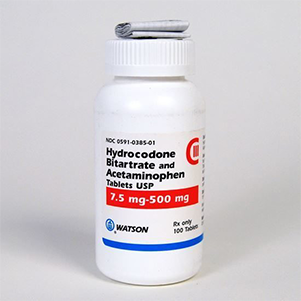
Description
Hydrocodone 7.5 mg/500 mg is a prescription opioid combination medicine containing 7.5 mg of hydrocodone and 500 mg of acetaminophen per tablet. Hydrocodone is an opioid analgesic, while acetaminophen is a non-opioid pain reliever and fever reducer.
The combination has historically been prescribed for the management of pain when a healthcare professional determines that an opioid-containing medicine is appropriate. Because hydrocodone carries risks of misuse, dependence, and potentially life-threatening respiratory depression, it should only be used under appropriate medical supervision.
For general medication information, see MedlinePlus: Hydrocodone Combination Products.
Active Ingredients
Each tablet contains:
- Hydrocodone: 7.5 mg
- Acetaminophen: 500 mg
The inactive ingredients, tablet appearance, and labeling can differ between manufacturers. Patients should check the dispensing label and manufacturer information for the specific product they have received.
The DailyMed database provides FDA-submitted labeling information for many prescription medicines.
How Hydrocodone Works
Hydrocodone acts on opioid receptors within the central nervous system and changes the way the brain and body perceive pain.
Acetaminophen works through a different mechanism and provides additional analgesic effects. Combining two different types of pain-relieving medicines can produce greater pain relief than either component alone in appropriate circumstances.
However, the combination also means patients need to consider the safety risks associated with both hydrocodone and acetaminophen.
Important Opioid Safety Information
Hydrocodone can cause serious respiratory depression, particularly when taken in excessive amounts or combined with other substances that slow the central nervous system.
Potential warning signs of an opioid overdose include:
- Extremely slow or shallow breathing
- Difficulty waking
- Severe sleepiness
- Loss of consciousness
- Unusual snoring or gurgling sounds
- Blue or gray lips or fingertips
The FDA’s opioid safety information provides additional information about opioid risks and precautions.
Acetaminophen and Liver Safety
The acetaminophen component is another important consideration.
Taking too much acetaminophen can cause severe liver damage, potentially leading to acute liver failure. The risk can be particularly difficult to recognize when someone takes several medicines containing acetaminophen simultaneously.
Patients should therefore check the ingredients of other prescription and over-the-counter medicines before taking additional acetaminophen-containing products.
The FDA’s acetaminophen safety information provides additional guidance.
Common Side Effects
Hydrocodone/acetaminophen can cause side effects such as:
- Drowsiness
- Dizziness
- Nausea
- Vomiting
- Constipation
- Lightheadedness
- Sleepiness
Not everyone experiences the same effects.
Severe sleepiness, breathing difficulties, fainting, or difficulty waking require urgent medical attention.
Dependence and Withdrawal
Hydrocodone can cause physical dependence, particularly with repeated use.
Physical dependence means the body has adapted to the presence of the medicine. Suddenly stopping an opioid after prolonged use can result in withdrawal symptoms.
Possible withdrawal symptoms include:
- Restlessness
- Muscle aches
- Sweating
- Runny nose
- Insomnia
- Abdominal discomfort
- Nausea
- Anxiety
Patients who have been taking hydrocodone regularly should speak with their healthcare professional before stopping treatment rather than making abrupt changes independently.
Alcohol and Other Medicines
Alcohol and other central-nervous-system depressants can increase the sedating effects of hydrocodone and may raise the risk of dangerous respiratory depression.
Particular caution is required when opioids are combined with medicines such as benzodiazepines or other sedating drugs.
Patients should provide their doctor or pharmacist with a complete list of prescription medicines, over-the-counter products, supplements, and other substances they use.
The CDC’s opioid prescribing guidance provides information about safer opioid prescribing and risk assessment.
Driving and Operating Machinery
Hydrocodone can cause drowsiness, dizziness, slowed reactions, or impaired judgment.
Until a patient knows how the medication affects them, they should follow their healthcare professional’s advice regarding driving and other activities requiring alertness.
Combining the medicine with alcohol or other sedating substances can further impair alertness.
Safe Storage
Prescription opioids should be stored securely and should never be shared with another person.
Unused medicine should be disposed of appropriately. The FDA provides information about medication take-back programs and other disposal options through its Safe Disposal of Medicines resources.
Who Should Discuss This Medicine With a Doctor?
Before taking hydrocodone/acetaminophen, patients should tell their healthcare professional about relevant medical conditions, allergies, current medicines, and previous reactions to opioid medicines.
Additional medical consideration may be necessary for people with:
- Breathing disorders
- Liver problems
- Kidney problems
- Sleep-related breathing conditions
- A history of substance-use problems
- Other conditions affecting medication safety
This information allows the prescriber to determine whether the medicine is appropriate and how its risks should be managed.
Frequently Asked Questions
Is Hydrocodone 7.5/500 mg a prescription medicine?
Yes. Hydrocodone is a prescription opioid and should only be used under the direction of an authorized healthcare professional.
Does Hydrocodone 7.5/500 mg contain acetaminophen?
Yes. The stated formulation contains 500 mg of acetaminophen per tablet.
Can I take additional acetaminophen with it?
Patients should not automatically add another acetaminophen-containing medicine. Because the combination already contains acetaminophen, additional products can increase the risk of exceeding recommended amounts. Ask a doctor or pharmacist before combining medicines.
Can Hydrocodone cause dependence?
Yes. Repeated opioid use can result in physical dependence, and hydrocodone also carries a risk of misuse and addiction.
What should I do if I suspect an overdose?
Seek emergency medical assistance immediately. In the United States, call 911. If naloxone is available and opioid overdose is suspected, administer it according to its instructions while emergency help is being obtained.
Final Thoughts
Hydrocodone 7.5 mg/500 mg combines an opioid analgesic with acetaminophen. While this combination may be prescribed for certain types of pain, it requires careful use because of the risks associated with opioids and excessive acetaminophen.
The safest approach is to use the medication only as prescribed, avoid sharing it, check other medicines for acetaminophen, and discuss any concerns or side effects with a healthcare professional.
For authoritative patient information, consult MedlinePlus, DailyMed, and the U.S. Food and Drug Administration.
Reviews
There are no reviews yet.