
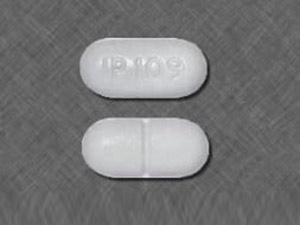
Description
Hydrocodone 10/325 mg is a combination prescription medication containing 10 mg of hydrocodone and 325 mg of acetaminophen in each tablet. Hydrocodone is an opioid pain reliever that changes how the brain and nervous system respond to pain, while acetaminophen is a non-opioid pain reliever. (medlineplus.gov)
The 10/325 mg strength has been marketed in FDA-approved hydrocodone/acetaminophen products, although specific manufacturers and product availability can change. Official labeling should always be checked for the exact product being prescribed. (fda.gov)
What Is Hydrocodone 10/325 mg?
Hydrocodone 10/325 mg belongs to a class of medicines known as opioid analgesics. The hydrocodone component works primarily at opioid receptors in the central nervous system to reduce the perception of pain.
The acetaminophen component provides additional pain-relieving activity through a different mechanism.
Because hydrocodone is an opioid, the medication carries important risks, including respiratory depression, misuse, addiction, physical dependence, and overdose. It should only be used exactly as prescribed. (medlineplus.gov)
What Is Hydrocodone 10/325 Used For?
Hydrocodone combination products are prescribed to relieve pain when treatment with an opioid medication is considered medically appropriate.
Hydrocodone changes the way the brain and nervous system respond to pain, while acetaminophen contributes additional analgesic activity. (medlineplus.gov)
The decision to use an opioid depends on the severity and nature of the pain, previous treatments, medical history, and the potential risks and benefits of opioid therapy.
How Does Hydrocodone 10/325 Work?
Hydrocodone is a full opioid agonist with activity primarily at the mu-opioid receptor. Activation of these receptors changes pain signaling within the nervous system and produces analgesic effects. (accessdata.fda.gov)
Acetaminophen works differently and contributes additional pain-relieving effects.
Because both ingredients have their own safety considerations, patients should follow the prescribed directions carefully.
Hydrocodone 10/325 Side Effects
Common side effects of hydrocodone-containing medications may include:
- Drowsiness
- Dizziness
- Nausea
- Vomiting
- Constipation
- Lightheadedness
- Weakness
- Confusion
- Sleepiness
Hydrocodone may impair alertness and coordination, particularly when treatment begins or when the prescribed regimen changes. (medlineplus.gov)
Contact your healthcare professional if side effects are persistent or interfere with daily activities.
Serious Hydrocodone 10/325 Side Effects
Hydrocodone can cause serious or life-threatening adverse effects.
Seek emergency medical assistance for symptoms such as:
- Slow or shallow breathing
- Long pauses between breaths
- Difficulty breathing
- Extreme sleepiness
- Inability to wake up
- Loss of consciousness
- Severe confusion
- Severe allergic reaction
- Swelling of the face, lips, tongue, or throat
The risk of respiratory depression is especially important during the initial period of treatment and after increases in opioid exposure. (medlineplus.gov)
Hydrocodone 10/325 and Acetaminophen
The 325 mg acetaminophen component is an important part of this medication.
Taking additional products that contain acetaminophen can unintentionally increase total acetaminophen exposure. Excessive acetaminophen can cause serious liver damage.
Always check the active ingredients of other prescription and over-the-counter medicines before taking them with hydrocodone/acetaminophen. Discuss the complete medication list with your doctor or pharmacist. (medlineplus.gov)
Hydrocodone 10/325 and Alcohol
Alcohol can increase the sedating effects of hydrocodone and may significantly increase the risk of respiratory depression, loss of consciousness, and other serious complications.
Do not drink alcohol while taking hydrocodone unless your healthcare professional specifically advises you that it is appropriate.
Hydrocodone 10/325 and Other Sedatives
Combining hydrocodone with other substances that depress the central nervous system can be dangerous.
These may include:
- Benzodiazepines
- Other opioids
- Sleeping medications
- Certain sedating antihistamines
- Muscle relaxants
- Alcohol
- Other central nervous system depressants
Combining opioids with benzodiazepines or other CNS depressants can increase the risk of profound sedation, respiratory depression, coma, and death.
Tell your healthcare professional about every medication and supplement you use before taking hydrocodone.
Hydrocodone 10/325 Dosage Information
The appropriate dose and frequency of hydrocodone/acetaminophen should be determined by the prescribing healthcare professional.
A 10/325 mg tablet contains 10 mg of hydrocodone and 325 mg of acetaminophen. The prescribed schedule depends on the patient’s medical condition, pain severity, previous opioid exposure, response to treatment, and other factors.
Do not take more tablets, take doses more frequently, or extend treatment beyond the prescribed instructions.
Because this product contains acetaminophen, the total amount of acetaminophen from all sources must also be considered.
Hydrocodone 10/325 Dependence and Withdrawal
Regular opioid use can result in physical dependence. Dependence does not necessarily mean that someone has an opioid use disorder, but it means the body may adapt to continued opioid exposure.
Suddenly stopping regular opioid treatment can cause withdrawal symptoms such as:
- Restlessness
- Anxiety
- Sweating
- Chills
- Muscle aches
- Runny nose
- Yawning
- Abdominal cramps
- Nausea
- Vomiting
- Diarrhea
- Difficulty sleeping
Do not suddenly discontinue regular opioid treatment without speaking with your healthcare professional. A medically supervised reduction may be appropriate when treatment is being discontinued. (medlineplus.gov)
Hydrocodone 10/325 Misuse and Addiction
Hydrocodone is an opioid with recognized risks of misuse, abuse, addiction, and overdose.
Taking hydrocodone differently from prescribed, using another person’s prescription, or combining it with alcohol or other sedating substances can increase the risk of serious harm.
Keep prescription opioids in a secure location and never share them with another person.
Hydrocodone 10/325 Overdose
An opioid overdose can cause severe respiratory depression and may become life-threatening.
Possible overdose symptoms include:
- Very slow or shallow breathing
- Difficulty breathing
- Extreme drowsiness
- Inability to wake up
- Cold or clammy skin
- Weakness
- Slow heartbeat
- Loss of consciousness
- Coma
Because hydrocodone/acetaminophen contains both an opioid and acetaminophen, an overdose can also result in serious liver injury from excessive acetaminophen exposure. (medlineplus.gov)
If an opioid overdose is suspected, call emergency services immediately. Naloxone is an opioid overdose reversal medication and may be available through pharmacies or community programs.
Hydrocodone 10/325 and Driving
Hydrocodone may cause drowsiness, dizziness, slowed reaction time, and impaired coordination.
Avoid driving or operating machinery until you know how the medication affects you and your healthcare professional confirms that these activities are appropriate.
Hydrocodone 10/325 Precautions
Before taking hydrocodone/acetaminophen, tell your healthcare professional if you have:
- Breathing problems
- Asthma or other respiratory conditions
- Liver disease
- Kidney problems
- Sleep apnea
- A history of substance misuse
- A history of opioid use disorder
- Head injury or increased intracranial pressure
- Mental health conditions
- Pregnancy or plans to become pregnant
Your doctor should also know about all prescription medicines, over-the-counter products, vitamins, and supplements you take.
Hydrocodone 10/325 During Pregnancy
If hydrocodone is taken regularly during pregnancy, the baby may develop neonatal opioid withdrawal syndrome after birth.
If you are pregnant, planning to become pregnant, or breastfeeding, discuss hydrocodone treatment with your healthcare professional. Do not stop regular opioid treatment suddenly without medical guidance. (medlineplus.gov)
Hydrocodone 10/325 and Liver Safety
Because each tablet contains acetaminophen, liver safety is an important consideration.
Taking more acetaminophen than recommended, including from multiple medications, can cause severe liver damage. People with existing liver disease or those who regularly consume alcohol should discuss these risks with their healthcare professional.
Always check medication labels for acetaminophen or APAP before taking another pain or cold medicine.
How to Store Hydrocodone 10/325
Store hydrocodone/acetaminophen according to the product label and keep it in a secure location.
Because hydrocodone is an opioid medication, it should be kept away from children, visitors, and anyone for whom it was not prescribed.
Dispose of unused medication through an appropriate medication take-back program whenever possible.
Frequently Asked Questions About Hydrocodone 10/325
What is Hydrocodone 10/325?
Hydrocodone 10/325 is a combination medication containing 10 mg of hydrocodone and 325 mg of acetaminophen per tablet.
What is Hydrocodone 10/325 used for?
Hydrocodone/acetaminophen combination products are prescription opioid medications used to relieve pain when an opioid analgesic is considered appropriate. (medlineplus.gov)
Is Hydrocodone 10/325 an opioid?
Yes. Hydrocodone is an opioid analgesic. The medication also contains acetaminophen, a non-opioid pain reliever.
Does Hydrocodone 10/325 cause drowsiness?
Yes. Drowsiness, dizziness, lightheadedness, and impaired coordination can occur with hydrocodone.
Can Hydrocodone 10/325 cause dependence?
Yes. Regular opioid use can lead to physical dependence, and hydrocodone also carries risks of misuse, addiction, and overdose.
Can Hydrocodone 10/325 be taken with alcohol?
Combining hydrocodone with alcohol can increase sedation and the risk of dangerous breathing problems. Alcohol should generally be avoided unless specifically discussed with a healthcare professional.
Can Hydrocodone 10/325 be taken with benzodiazepines?
The combination can increase the risk of severe sedation and respiratory depression. Tell your healthcare professional if you take benzodiazepines such as clonazepam, alprazolam, lorazepam, or diazepam.
Why does Hydrocodone 10/325 contain acetaminophen?
Acetaminophen provides additional pain-relieving activity alongside hydrocodone. However, excessive acetaminophen can cause serious liver injury, so patients should avoid unintentionally combining multiple acetaminophen-containing products.
What should I do in case of a suspected hydrocodone overdose?
A suspected opioid overdose is an emergency. Call emergency services immediately. If naloxone is available, it can reverse opioid-related respiratory depression while emergency medical help is being obtained.
Hydrocodone 10/325 Safety Information
Hydrocodone 10/325 mg is a prescription opioid medication with significant safety considerations. Important risks include respiratory depression, sedation, overdose, misuse, addiction, physical dependence, withdrawal, and acetaminophen-related liver injury.
Use this medication only under the direction of a qualified healthcare professional. Always follow the specific prescription and medication guide for the product you have been prescribed.
Reviews
There are no reviews yet.