
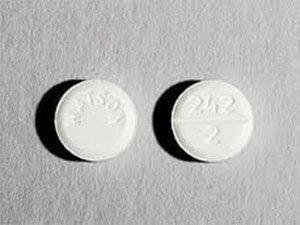
Description
Lorazepam is a prescription medication belonging to the benzodiazepine class, also know as Ativan. It is primarily used for the short-term management of anxiety symptoms and is also used in certain medical settings for insomnia associated with anxiety and for the treatment of status epilepticus.
Ativan works by enhancing the activity of gamma-aminobutyric acid (GABA), an inhibitory neurotransmitter in the brain. This produces calming and sedative effects.
Because it can cause drowsiness, impaired coordination, physical dependence, withdrawal, misuse, and potentially dangerous respiratory depression when combined with certain substances, it should be used only under appropriate medical supervision.
For reliable medication information, consult the U.S. National Library of Medicine’s MedlinePlus Lorazepam guide.
Ativan is available in different strengths and formulations. The appropriate strength and formulation depend on the condition being treated and the individual patient’s medical circumstances.
What Is Lorazepam?
Lorazepam is a benzodiazepine that reduces excessive activity in the central nervous system.
It increases the effects of GABA, which helps slow excessive neuronal activity. This can produce:
- Reduced anxiety
- Relaxation
- Sedation
- Muscle relaxation
- Anticonvulsant effects
The same effects that make it useful therapeutically can also cause sleepiness, dizziness, impaired coordination, and slowed reaction time.
The official DailyMed lorazepam prescribing information contains detailed information about indications, warnings, contraindications, interactions, and adverse reactions.
Lorazepam Uses
Anxiety
Lorazepam is commonly prescribed for the short-term management of anxiety symptoms.
Anxiety may involve excessive worry, nervousness, restlessness, irritability, difficulty concentrating, muscle tension, and physical symptoms such as a rapid heartbeat.
Because benzodiazepines can cause dependence, healthcare professionals generally consider the expected benefits and risks before recommending longer-term treatment.
Insomnia Associated With Anxiety
Ativan may be used in certain circumstances for insomnia associated with anxiety.
Its sedative effects can make it easier for some patients to sleep, but it is not appropriate for every type of insomnia. Persistent sleep problems should be evaluated by a healthcare professional to identify possible underlying causes.
Status Epilepticus
It has anticonvulsant properties and certain injectable formulations are used in medical settings for the emergency treatment of status epilepticus, a prolonged or repeated seizure emergency.
This use requires immediate medical evaluation and appropriate monitoring.
How Does Lorazepam Work?
Ativan acts on the brain’s GABA-A receptors and enhances the inhibitory effects of GABA.
This reduces excessive electrical activity in the central nervous system and helps explain its:
- Anxiolytic effects
- Sedative effects
- Anticonvulsant activity
- Muscle-relaxing properties
Because lorazepam affects the central nervous system, it can also impair alertness and coordination.
Lorazepam Side Effects
Common side effects may include:
- Drowsiness
- Dizziness
- Weakness
- Fatigue
- Unsteadiness
- Reduced coordination
- Confusion
- Blurred vision
Older adults may be more sensitive to the sedating and coordination-impairing effects of Ativan.
If side effects are severe, persistent, or interfere with daily activities, contact a healthcare professional.
Serious Side Effects
Serious reactions can occur, especially when it is combined with other central nervous system depressants.
Seek emergency medical attention for:
- Severe difficulty breathing
- Extreme sedation
- Inability to wake up
- Loss of consciousness
- Severe allergic reactions
- Significant confusion
- Serious behavioral or mental changes
The FDA benzodiazepine safety communication highlights the risks of benzodiazepine misuse, addiction, physical dependence, withdrawal, and dangerous interactions with opioids.
Lorazepam and Opioids
Combining Ativan with opioid medicines can be extremely dangerous.
Both medications can suppress central nervous system activity, potentially resulting in:
- Profound sedation
- Respiratory depression
- Coma
- Overdose
- Death
Examples of opioid medicines include oxycodone, hydrocodone, morphine, fentanyl, and tapentadol.
Lorazepam should only be combined with an opioid when a healthcare professional has specifically determined that the combination is appropriate and can be safely monitored.
Lorazepam and Alcohol
Alcohol can intensify the sedative effects of lorazepam.
Combining the two may increase the risk of:
- Severe drowsiness
- Dizziness
- Confusion
- Poor coordination
- Loss of consciousness
- Breathing difficulties
- Overdose
Avoid alcohol while taking it unless your healthcare professional specifically advises otherwise.
Lorazepam and Driving
Ativan may reduce alertness, slow reaction time, and impair coordination.
Do not drive, operate machinery, or perform potentially hazardous activities until you know how lorazepam affects you.
Sedation can be particularly pronounced when it is first started or when treatment is changed.
Lorazepam Dependence and Withdrawal
Regular use of lorazepam can result in physical dependence.
Dependence may develop even when the medicine is taken according to a prescription. The risk can increase with longer treatment.
Abrupt discontinuation can cause withdrawal symptoms such as:
- Anxiety
- Irritability
- Restlessness
- Insomnia
- Sweating
- Tremors
- Muscle discomfort
- Difficulty concentrating
- Changes in perception
- Seizures in severe cases
Because benzodiazepine withdrawal can be serious or life-threatening, lorazepam should not be stopped suddenly after regular use without medical guidance.
The FDA recommends individualized tapering when benzodiazepine treatment is discontinued.
Lorazepam Misuse and Addiction
Ativan has a recognized potential for misuse and addiction.
Misuse can include taking lorazepam differently from prescribed, taking another person’s prescription, or using it together with other substances to increase its effects.
Risk may be higher in people with a history of substance-use problems or when lorazepam is combined with other central nervous system depressants.
Anyone concerned about dependence or difficulty controlling their use should speak with a healthcare professional.
Lorazepam Drug Interactions
Before taking lorazepam, tell your doctor or pharmacist about all medications, supplements, and herbal products you use.
Important interactions may involve:
- Opioid pain medicines
- Other benzodiazepines
- Sleeping medicines
- Alcohol
- Sedating antihistamines
- Muscle relaxants
- Certain antidepressants
- Other central nervous system depressants
Combining multiple sedating substances can substantially increase impairment and the risk of dangerous respiratory depression.
Lorazepam in Older Adults
Older adults may be more sensitive to benzodiazepines.
Lorazepam may increase the risk of:
- Excessive sedation
- Confusion
- Poor coordination
- Falls
- Accidental injuries
Healthcare professionals may therefore carefully assess whether lorazepam is appropriate and monitor patients for adverse effects.
Lorazepam During Pregnancy
Patients who are pregnant or planning pregnancy should discuss lorazepam treatment with their healthcare professional.
Benzodiazepine exposure during pregnancy, particularly near delivery, may cause sedation or withdrawal symptoms in newborns.
Do not discontinue regular lorazepam treatment suddenly because of pregnancy without professional guidance.
Lorazepam Overdose
Taking more Ativan than prescribed can cause severe central nervous system depression.
Potential overdose symptoms include:
- Extreme sleepiness
- Confusion
- Poor coordination
- Slurred speech
- Weakness
- Reduced consciousness
- Loss of consciousness
- Breathing difficulties
The risk of serious or fatal outcomes increases when lorazepam is combined with opioids, alcohol, or other sedatives.
If an overdose is suspected, seek emergency medical assistance immediately.
Safe Storage
Store lorazepam according to the medication label and keep it securely away from children and anyone for whom it was not prescribed.
Because lorazepam is a controlled prescription medication, it should never be shared.
Unused medication should be disposed of through an appropriate medication take-back program when available.
Frequently Asked Questions
What is Lorazepam used for?
Lorazepam is primarily used for anxiety. Certain formulations are also used for insomnia associated with anxiety and for emergency treatment of status epilepticus.
Is Lorazepam a benzodiazepine?
Yes. Lorazepam belongs to the benzodiazepine class of medicines.
Is it same as Ativan?
Ativan is a brand name for lorazepam. Generic lorazepam contains the same active ingredient, although inactive ingredients and tablet appearance can vary between manufacturers.
Does Lorazepam make you sleepy?
Yes. Drowsiness and sedation are common effects of lorazepam.
Can Lorazepam be taken with alcohol?
Alcohol can significantly increase lorazepam’s sedative effects and may increase the risk of dangerous central nervous system depression. Combining them should be avoided unless specifically approved by a healthcare professional.
Can Lorazepam be taken with opioids?
Combining lorazepam with opioids can cause profound sedation and respiratory depression and may be fatal. Use together only under appropriate medical supervision.
Can Lorazepam cause dependence?
Yes. Regular use can lead to physical dependence, and lorazepam also carries risks of misuse and addiction.
Can Lorazepam be stopped suddenly?
People who have been taking lorazepam regularly should not stop suddenly without medical guidance. Withdrawal can be serious and may include seizures.
Is Lorazepam used for seizures?
Yes, It has anticonvulsant properties, and certain injectable formulations are used by medical professionals for emergency seizure treatment such as status epilepticus.
Important Safety Disclaimer
Ativan is a prescription benzodiazepine with important risks involving sedation, impaired coordination, misuse, physical dependence, withdrawal, and potentially life-threatening respiratory depression when combined with opioids or other central nervous system depressants.
This information is intended for educational and SEO purposes only. It does not replace professional medical advice, an individualized prescription, or the official prescribing information.
For authoritative information, consult MedlinePlus, the FDA, and DailyMed.