
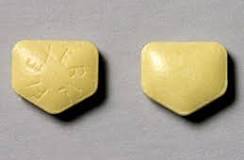
Description
OxyContin 30 mg contains oxycodone hydrochloride, an opioid analgesic formulated as an extended-release tablet. It is designed to provide prolonged delivery of oxycodone for patients who require continuous opioid treatment for severe and persistent pain.
OxyContin is a prescription Schedule II opioid medication, meaning it has recognized medical uses but also carries significant risks involving misuse, addiction, dependence, overdose, and potentially life-threatening respiratory depression.
For additional patient information, see the MedlinePlus oxycodone information, which explains oxycodone’s uses, precautions, side effects, interactions, and overdose risks.
Current DailyMed labeling lists OxyContin extended-release tablets in 10 mg, 15 mg, 20 mg, 30 mg, 40 mg, 60 mg, and 80 mg strengths. The 30 mg tablet is described as a film-coated, round, brown-colored tablet marked “OP” on one side and “30” on the other.
What Is OxyContin OP 30 mg Used For?
OxyContin is used for the management of severe and persistent pain when an opioid analgesic is considered medically appropriate.
Oxycodone works by changing how the brain and nervous system respond to pain. It belongs to the opioid analgesic class of medicines.
Because OxyContin is an extended-release formulation, it is intended for ongoing pain management rather than occasional, as-needed treatment.
A healthcare professional considers factors such as the cause and severity of pain, previous opioid exposure, medical history, other medications, and individual risk factors before prescribing an extended-release opioid.
How Does OxyContin 30 mg Work?
Oxycodone acts on opioid receptors in the central nervous system.
These receptors play an important role in how the body processes pain signals. By activating opioid receptors, oxycodone can reduce the perception of pain and alter the body’s response to painful stimuli.
The extended-release formulation is designed to release oxycodone gradually over time.
This is different from immediate-release oxycodone formulations, which are designed for a shorter duration of action.
Because of the formulation, OxyContin tablets must be handled exactly as prescribed.
OxyContin OP 30 mg Should Be Swallowed Whole
Extended-release OxyContin tablets should be swallowed whole.
They should not be crushed, chewed, broken, divided, or dissolved. Altering the extended-release tablet can cause too much oxycodone to be released at once, potentially resulting in overdose and death.
Patients who have difficulty swallowing should speak with a doctor or pharmacist rather than attempting to modify the tablet.
Important OxyContin Safety Information
OxyContin carries serious opioid-related warnings.
Potential risks include:
- Respiratory depression
- Excessive sedation
- Overdose
- Misuse
- Abuse
- Addiction
- Physical dependence
- Withdrawal
- Dizziness
- Nausea
- Constipation
- Drowsiness
The current OxyContin labeling contains a boxed warning regarding addiction, abuse and misuse, potentially fatal respiratory depression, accidental ingestion, neonatal opioid withdrawal, and risks associated with certain drug combinations.
The FDA and MedlinePlus provide additional information about responsible opioid use and overdose prevention.
OxyContin 30 mg and Respiratory Depression
One of the most serious complications associated with oxycodone is respiratory depression.
This means breathing becomes unusually slow, shallow, or irregular.
According to MedlinePlus, serious or life-threatening breathing problems can occur particularly during the first 24–72 hours of treatment and after increases in dosage.
Possible warning signs include:
- Slow breathing
- Shallow breathing
- Long pauses between breaths
- Unusual snoring
- Extreme sleepiness
- Difficulty waking
- Loss of consciousness
- Cold or clammy skin
Suspected opioid overdose is an emergency. Call emergency services immediately if someone cannot be awakened or is experiencing severe breathing difficulties.
OxyContin and Alcohol
Alcohol can increase the sedating effects of oxycodone.
Using alcohol with OxyContin can increase the risk of:
- Severe drowsiness
- Impaired coordination
- Respiratory depression
- Loss of consciousness
- Coma
- Overdose
Patients prescribed OxyContin should discuss alcohol use with their healthcare professional and follow their medication instructions carefully.
OxyContin and Other Sedating Medications
Oxycodone can interact with other substances that depress the central nervous system.
Examples include:
- Benzodiazepines
- Other opioids
- Certain sleep medications
- Some muscle relaxants
- Alcohol
- Other sedating medicines
Benzodiazepines such as Xanax (alprazolam), Ativan (lorazepam), clonazepam, and Valium (diazepam) can cause central nervous system depression. Combining opioids with these medicines may increase the risk of severe sedation and respiratory depression.
Patients should tell their doctor and pharmacist about all prescription medicines, over-the-counter products, supplements, and other substances they use. MedlinePlus specifically warns that certain medicines and alcohol can increase oxycodone-related breathing problems, sedation, or coma.
Common OxyContin Side Effects
Possible side effects of oxycodone include:
- Nausea
- Vomiting
- Drowsiness
- Dizziness
- Headache
- Weakness
- Tiredness
- Sleep difficulties
- Constipation
Not everyone experiences the same side effects.
Severe or unusual symptoms should be discussed with a healthcare professional.
Constipation and Oxycodone
Constipation is a common problem associated with opioid medicines.
Oxycodone can slow movement through the digestive tract, resulting in less frequent bowel movements or harder stools.
Patients taking OxyContin should discuss appropriate strategies for preventing or treating opioid-related constipation with their healthcare professional.
Severe abdominal pain, persistent vomiting, or an inability to pass stool or gas requires prompt medical evaluation.
OxyContin 30 mg and Physical Dependence
Regular opioid treatment can result in physical dependence.
Physical dependence occurs when the body adapts to continued exposure to the medication. If the medication is suddenly discontinued, withdrawal symptoms can occur.
Possible opioid withdrawal symptoms include:
- Anxiety
- Restlessness
- Sweating
- Chills
- Muscle aches
- Runny nose
- Watery eyes
- Insomnia
- Nausea
- Vomiting
- Diarrhea
- Increased heart rate
People who have been taking oxycodone regularly should not abruptly stop treatment without medical advice.
MedlinePlus advises patients not to stop oxycodone suddenly without discussing discontinuation with their healthcare provider.
Dependence vs. Addiction
Physical dependence and addiction are not identical.
Physical dependence is a physiological adaptation that can occur with regular medication exposure.
Addiction, or opioid use disorder, involves problematic patterns of use such as impaired control, compulsive use, or continued use despite harmful consequences.
Prescription opioids can produce both physical dependence and addiction-related risks.
The MedlinePlus opioid-use information explains that opioids such as oxycodone can cause dependence, misuse, and overdose.
OxyContin and Driving
Oxycodone can cause drowsiness, dizziness, reduced alertness, and impaired coordination.
Patients should be cautious about driving or operating machinery until they know how the medication affects them.
The risk may be greater when treatment is first started or when other sedating substances are used.
OxyContin During Pregnancy
People who are pregnant or planning pregnancy should discuss oxycodone treatment with their healthcare professional.
Regular opioid use during pregnancy can expose the developing baby to opioids and may result in neonatal opioid withdrawal syndrome after birth.
Anyone who becomes pregnant while taking oxycodone should contact their healthcare provider rather than independently changing or stopping treatment.
Safe Storage of OxyContin
OxyContin should be stored securely and kept away from children, visitors, and anyone for whom the medication was not prescribed.
Accidental ingestion of an opioid can be dangerous or fatal.
Patients should also follow appropriate local instructions for disposing of unused medication.
What Happens During an OxyContin Overdose?
An opioid overdose can be life-threatening.
Possible overdose symptoms include:
- Slow or shallow breathing
- Extreme sleepiness
- Inability to wake
- Limp or weak muscles
- Cold, clammy skin
- Abnormal pupil size
- Slow heartbeat
- Loss of consciousness
If an overdose is suspected, contact emergency medical services immediately.
Medications such as naloxone can reverse opioid effects when administered appropriately. MedlinePlus recommends discussing access to opioid-overdose rescue medication with a healthcare professional.
Why OxyContin 30 mg Requires Medical Supervision
OxyContin 30 mg is not simply a stronger version of an ordinary painkiller.
It is an extended-release opioid formulation with potentially serious risks.
Treatment decisions should account for:
- Pain severity
- Previous opioid exposure
- Respiratory health
- Other medical conditions
- Current medications
- Risk of misuse
- Potential drug interactions
- Individual response to treatment
The goal of opioid treatment is to balance pain control with the lowest reasonable level of risk.
Frequently Asked Questions
What is OxyContin OP 30 mg?
OxyContin OP 30 mg is an extended-release prescription tablet containing 30 mg of oxycodone hydrochloride. It is an opioid analgesic used for severe and persistent pain in appropriately selected patients.
Is OxyContin 30 mg extended-release?
Yes. OxyContin is an extended-release formulation of oxycodone designed for prolonged delivery of the medication.
Can OxyContin 30 mg be crushed?
No. Extended-release OxyContin tablets should not be crushed, chewed, broken, divided, or dissolved because doing so can release too much oxycodone at once and increase the risk of overdose.
Can OxyContin be taken with alcohol?
Alcohol can increase oxycodone-related sedation and respiratory-depression risk. Patients should discuss alcohol use with their healthcare professional.
Can OxyContin be combined with Xanax or Ativan?
Combining opioids with benzodiazepines such as Xanax or Ativan can increase the risk of profound sedation and respiratory depression. Such combinations require careful medical supervision.
Can OxyContin cause addiction?
Yes. OxyContin carries risks of misuse, abuse, addiction, physical dependence, and overdose.
Can OxyContin be stopped suddenly?
People who have developed physical dependence should not abruptly discontinue oxycodone without medical guidance. A healthcare professional can determine an appropriate discontinuation approach.
What should I do if I think someone has overdosed?
Treat suspected opioid overdose as an emergency. Call emergency services immediately and administer naloxone if it is available and appropriate.
Final Thoughts
OxyContin 30 mg (oxycodone extended-release) is a prescription opioid formulated for prolonged management of severe and persistent pain when an extended-release opioid is medically appropriate.
Because oxycodone can cause respiratory depression, sedation, dependence, misuse, addiction, and overdose, it should be used exactly as prescribed and monitored by a qualified healthcare professional.
Do not crush or alter the extended-release tablet, avoid potentially dangerous combinations with alcohol or other sedating substances, and keep the medication secured away from others.
For additional information, consult MedlinePlus Oxycodone Drug Information and the current DailyMed OxyContin labeling.
Medical Disclaimer: This content is for general educational purposes only and is not a substitute for medical diagnosis or individualized treatment advice. OxyContin is a prescription controlled opioid. A qualified healthcare professional should determine whether it is appropriate for an individual patient.