
Description
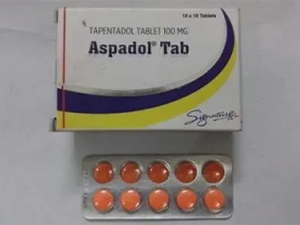
Tapentadol 100mg (ASPADOL), commonly associated with the brand name Aspadol in some markets, is a prescription opioid analgesic used for the management of certain types of moderate-to-severe pain. It has both opioid activity and norepinephrine reuptake inhibition, giving it a distinctive mechanism among prescription pain medicines.
It is available in different formulations, including immediate-release and extended-release tablets. The appropriate formulation depends on the type and duration of pain and the individual patient’s medical circumstances.
For authoritative patient information, see MedlinePlus – Tapentadol Drug Information.
What Is Tapentadol 100 mg Used For?
Tapentadol is prescribed for certain forms of pain that require opioid treatment.
According to MedlinePlus, immediate-release tapentadol is used for severe acute pain when an opioid is expected to be necessary and alternative pain medicines are inadequate. Extended-release tapentadol is used for severe, persistent pain that requires around-the-clock treatment and, in certain circumstances, for severe persistent neuropathic pain associated with diabetic peripheral neuropathy.
Treatment decisions depend on factors such as:
- Type and severity of pain
- Duration of symptoms
- Previous pain treatments
- Previous opioid exposure
- Other medical conditions
- Current medications
- Individual risk factors
How Does Tapentadol Work?
Tapentadol has a dual mechanism of action.
It acts as a mu-opioid receptor agonist, helping reduce the perception and response to pain. It also inhibits the reuptake of norepinephrine, increasing norepinephrine activity in the central nervous system.
The combination of these mechanisms contributes to tapentadol’s analgesic effects.
Because it affects the central nervous system and opioid receptors, tapentadol can also cause sedation, respiratory depression, physical dependence, and other opioid-related adverse effects.
Tapentadol 100 mg Immediate-Release vs Extended-Release
It is important to distinguish between tapentadol formulations.
Immediate-Release Tapentadol
Immediate-release tablets are intended for short-term treatment of severe acute pain when an opioid is medically appropriate.
Extended-Release Tapentadol
This formulations are designed for prolonged pain control and are used for severe, persistent pain that requires continuous opioid treatment.
These tablets should be swallowed whole. They should not be crushed, chewed, broken, divided, or dissolved, because altering the formulation can release too much tapentadol at once and potentially cause a serious or fatal overdose.
Important Safety Warnings
Tapentadol carries important opioid-related safety risks.
Potential serious risks include:
- Respiratory depression
- Overdose
- Misuse
- Abuse
- Addiction
- Physical dependence
- Withdrawal
- Severe sedation
- Seizures
- Dangerous drug interactions
The risk of serious breathing problems can be particularly important during the first 24–72 hours of treatment and following an increase in dose.
For current prescribing information, consult DailyMed – Tapentadol Information.
Tapentadol and Respiratory Depression
One of the most serious complications of opioid treatment is respiratory depression, in which breathing becomes abnormally slow or shallow.
Emergency warning signs may include:
- Slow breathing
- Shallow breathing
- Long pauses between breaths
- Difficulty breathing
- Extreme sleepiness
- Severe dizziness
- Unresponsiveness
- Loss of consciousness
If someone taking tapentadol develops severe breathing problems or cannot be awakened, emergency medical assistance should be obtained immediately.
Tapentadol and Alcohol
Alcohol can significantly increase the sedative and respiratory-depressant effects of tapentadol.
Combining tapentadol with alcohol may increase the risk of:
- Extreme drowsiness
- Dizziness
- Impaired coordination
- Respiratory depression
- Loss of consciousness
- Coma
- Overdose
MedlinePlus specifically warns against consuming alcohol while taking tapentadol because of the possibility of serious, potentially life-threatening effects.
Tapentadol Drug Interactions
Tapentadol can interact with other prescription medicines, nonprescription medicines, supplements, and substances.
Particular caution is required with other medicines that affect the central nervous system.
Potentially concerning combinations may include:
- Benzodiazepines
- Other opioid medications
- Sedative medicines
- Certain sleeping medications
- Some muscle relaxants
- Alcohol
- Certain antidepressants
- Monoamine oxidase inhibitors (MAOIs)
Tapentadol should not be combined with MAO inhibitors or used within the period specified by prescribing information after stopping an MAOI because of potentially serious interactions.
Patients should provide their doctor and pharmacist with a complete list of medications, vitamins, supplements, and herbal products they use.
Common Side Effects of Tapentadol 100 mg
Possible side effects include:
- Nausea
- Vomiting
- Drowsiness
- Dizziness
- Headache
- Dry mouth
- Stomach discomfort
- Fatigue
- Anxiety
- Sleep disturbances
- Constipation
Not everyone experiences these effects, and some may become less noticeable as the body adjusts to treatment.
MedlinePlus also identifies serious reactions such as seizures, hallucinations, severe allergic reactions, loss of consciousness, breathing difficulties, and worsening or unusual pain.
Tapentadol and Constipation
Like many opioid medicines, tapentadol can slow movement through the gastrointestinal tract.
This can cause constipation, abdominal discomfort, and changes in bowel habits.
Patients experiencing persistent or severe constipation should discuss appropriate management with their healthcare professional.
Tapentadol and Drowsiness
Tapentadol can cause drowsiness, dizziness, lightheadedness, and impaired alertness.
Patients should avoid driving or operating machinery until they know how the medication affects them.
Standing up quickly may also cause dizziness or fainting in some people.
Tapentadol and Dependence
Regular use of tapentadol can cause physical dependence.
Physical dependence means the body has adapted to the presence of the medication. If treatment is stopped suddenly after regular use, withdrawal symptoms may occur.
Potential withdrawal symptoms include:
- Restlessness
- Anxiety
- Irritability
- Sweating
- Chills
- Muscle aches
- Runny nose
- Difficulty sleeping
- Nausea
- Vomiting
- Diarrhea
- Abdominal cramps
- Rapid heartbeat
Tapentadol should not be stopped abruptly without medical guidance. A healthcare professional can determine whether gradual reduction is appropriate.
Dependence vs Addiction
Physical dependence and addiction are not identical.
Physical dependence is a physiological adaptation that can occur with regular use.
Addiction, or opioid use disorder when diagnostic criteria are met, involves problematic patterns such as impaired control over use, compulsive use, and continued use despite harmful consequences.
Tapentadol is a controlled opioid and can be habit-forming, particularly with prolonged use or inappropriate use.
Tapentadol and Seizures
Seizures are an uncommon but potentially serious adverse effect associated with tapentadol.
People with a history of seizures or conditions that may increase seizure risk should discuss this history with their healthcare professional before treatment.
Certain medications may also influence seizure risk or interact with tapentadol.
Tapentadol and Serotonin-Related Reactions
Tapentadol’s effect on norepinephrine pathways means that medication interactions require careful consideration.
Patients taking antidepressants or other medicines that affect neurotransmitter systems should inform their healthcare professional.
Symptoms such as agitation, hallucinations, fever, sweating, confusion, rapid heartbeat, shivering, severe muscle stiffness or twitching, loss of coordination, or diarrhea require urgent medical attention because they can indicate a serious medication reaction.
Tapentadol During Pregnancy
Patients who are pregnant or planning to become pregnant should discuss tapentadol treatment with their healthcare professional.
Regular opioid exposure during pregnancy can cause neonatal opioid withdrawal syndrome, meaning a newborn may develop withdrawal symptoms after birth.
Tapentadol should not be stopped suddenly during pregnancy without professional medical advice.
Tapentadol and Breastfeeding
Patients who are breastfeeding should discuss tapentadol treatment with their healthcare professional.
MedlinePlus specifically advises against breastfeeding while taking extended-release tapentadol and recommends monitoring an infant for excessive sleepiness, breathing difficulties, or limpness when exposure occurs.
Tapentadol 100 mg Overdose
An overdose of tapentadol can be life-threatening.
Possible overdose symptoms include:
- Extreme sleepiness
- Inability to wake
- Muscle weakness
- Cold or clammy skin
- Slow or shallow breathing
- Difficulty breathing
- Slow heartbeat
- Loss of consciousness
- Abnormal pupil size
Emergency medical assistance should be obtained immediately if an overdose is suspected.
Naloxone is an opioid antagonist that can reverse life-threatening opioid effects. People who are prescribed tapentadol should discuss overdose-response planning and access to naloxone with their healthcare professional.
Safe Storage and Disposal
Tapentadol should be kept securely and out of sight and reach of children.
Because it is an opioid medication, accidental ingestion by children or use by another person can result in serious injury or death.
Unused or expired medication should be disposed of through an appropriate medication take-back or disposal program according to local recommendations.
Frequently Asked Questions
What is Tapentadol 100 mg?
Tapentadol 100 mg is a prescription strength of tapentadol hydrochloride, an opioid analgesic with additional norepinephrine reuptake-inhibiting activity.
What is Aspadol?
Aspadol is a brand name used for tapentadol products in some markets. The exact formulation and approved indications can vary by country and manufacturer.
What is Tapentadol 100 mg used for?
Tapentadol may be prescribed for certain severe acute pain conditions or, depending on formulation, severe persistent pain that requires around-the-clock opioid treatment.
Is Tapentadol an opioid?
Yes. Tapentadol is an opioid analgesic with an additional norepinephrine-reuptake mechanism.
Can Tapentadol 100 mg be taken with alcohol?
Alcohol should be avoided while taking tapentadol because the combination can increase the risk of serious sedation, respiratory depression, and overdose.
Can Tapentadol cause dependence?
Yes. Prolonged or regular use can result in physical dependence, and tapentadol also carries risks of misuse and addiction.
Can extended-release tapentadol be crushed?
No. Extended-release tablets should be swallowed whole and should not be crushed, chewed, broken, divided, or dissolved because doing so can release excessive medication at once.
Can Tapentadol be stopped suddenly?
People taking tapentadol regularly should consult their healthcare professional before stopping treatment. Sudden discontinuation can cause withdrawal symptoms.
Conclusion
Tapentadol 100 mg (Aspadol) is a prescription opioid analgesic used for appropriately selected patients with significant pain. Its dual pharmacological activity distinguishes it from many other opioid pain medicines.
Tapentadol can cause respiratory depression, sedation, dependence, misuse, addiction, seizures, and potentially fatal overdose.
For additional authoritative information, visit MedlinePlus – Tapentadol and DailyMed – Tapentadol Label Information.