
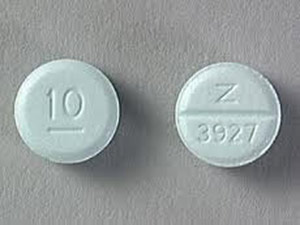
Description
Trazodone is a prescription medicine primarily used to treat major depressive disorder (MDD). It belongs to a class of medicines known as serotonin modulators and works by affecting serotonin activity in the brain.
Trazodone is also commonly prescribed by clinicians for sleep-related problems, although the appropriateness and regulatory status of such use can vary depending on the indication and country. Patients should use trazodone only according to their healthcare professional’s instructions.
For reliable medication information, the U.S. National Library of Medicine’s MedlinePlus Trazodone information provides information about its uses, precautions, side effects, and important warnings.
Trazodone is available in different strengths and formulations. The appropriate strength depends on the medical condition being treated, the patient’s response, other medications, and individual health factors.
What Is Trazodone?
Trazodone is an antidepressant that influences serotonin signaling in the central nervous system. It is classified as a serotonin antagonist and reuptake inhibitor (SARI).
By affecting serotonin receptors and serotonin reuptake, trazodone can influence mood and other neurological processes.
Unlike benzodiazepines, trazodone is not classified as a benzodiazepine. It is also not an opioid medication.
Trazodone Uses
Depression
Trazodone is FDA-approved for the treatment of major depressive disorder.
Depression can involve persistent sadness, loss of interest or pleasure, changes in sleep or appetite, reduced energy, difficulty concentrating, and other emotional or physical symptoms.
Trazodone may be prescribed when a healthcare professional determines that an antidepressant is appropriate.
Sleep Problems
Trazodone can cause drowsiness, and healthcare professionals sometimes prescribe it for insomnia or other sleep difficulties.
However, this use may be off-label, meaning it is not necessarily the primary FDA-approved indication. Patients should discuss the risks and benefits with their healthcare professional rather than using trazodone specifically as a sleep aid without medical guidance.
The FDA-approved prescribing information provides detailed information about trazodone’s approved indication and safety profile.
How Does Trazodone Work?
Trazodone affects serotonin, a neurotransmitter involved in mood regulation and other functions of the nervous system.
Its pharmacological activity includes serotonin reuptake inhibition and antagonism at certain serotonin receptors. Trazodone also has effects at other receptors, which can contribute to its sedating properties.
Because of these effects, some people may experience sleepiness or dizziness while taking trazodone.
Trazodone Side Effects
Common side effects may include:
- Drowsiness
- Dizziness
- Headache
- Dry mouth
- Nausea
- Vomiting
- Fatigue
- Blurred vision
- Changes in appetite
- Constipation
Some side effects may become less noticeable as the body adjusts to treatment. Persistent, severe, or unusual symptoms should be discussed with a healthcare professional.
Serious Side Effects
Although uncommon, trazodone can cause serious adverse reactions.
Seek urgent medical attention for symptoms such as:
- Severe allergic reaction
- Fainting
- Irregular heartbeat
- Severe confusion
- Seizures
- Unusual bleeding
- Severe agitation
- Symptoms of serotonin syndrome
- Suicidal thoughts or significant behavioral changes
The MedlinePlus trazodone guide provides additional information about serious reactions and precautions.
Trazodone and Suicidal Thoughts
Like other antidepressants, trazodone carries an important warning concerning the potential for increased suicidal thoughts and behaviors in some children, teenagers, and young adults, particularly during the early stages of treatment or when the dose is changed.
Family members and caregivers should pay attention to significant changes in mood, behavior, or mental state.
Anyone experiencing thoughts of suicide or self-harm should seek immediate professional help or emergency assistance.
Serotonin Syndrome
Trazodone can contribute to serotonin syndrome, particularly when combined with other medicines that increase serotonin activity.
Possible symptoms include:
- Agitation
- Confusion
- Sweating
- Fever
- Rapid heartbeat
- Muscle stiffness
- Tremor
- Diarrhea
- Loss of coordination
Serotonin syndrome can be a medical emergency. Patients should tell their healthcare professional about all antidepressants, migraine medicines, supplements, and other medications they use.
Trazodone and Alcohol
Alcohol can increase the sedating effects of trazodone.
Combining trazodone with alcohol may increase:
- Drowsiness
- Dizziness
- Impaired coordination
- Reduced alertness
- Risk of accidents
Avoid alcohol unless your healthcare professional specifically advises that it is safe for you.
Trazodone and Other Sedatives
Trazodone may interact with other medicines that cause sedation.
Extra caution may be required with:
- Sleeping medications
- Benzodiazepines
- Opioid pain medicines
- Certain antihistamines
- Other medicines that depress the central nervous system
Combining several sedating medicines can increase impairment and, in some circumstances, increase the risk of serious adverse effects.
Trazodone Drug Interactions
Before starting trazodone, provide your healthcare professional with a complete list of medications and supplements you use.
Important interactions can involve:
- MAO inhibitors
- Other antidepressants
- Certain migraine medicines
- Antipsychotic medications
- Blood thinners
- Medicines that affect heart rhythm
- Other serotonergic medicines
- Certain herbal supplements
Trazodone should not be combined with monoamine oxidase inhibitors or used too soon after stopping an MAOI because of potentially serious interactions.
Trazodone and Driving
It can cause drowsiness, dizziness, blurred vision, and reduced alertness.
Do not drive or operate machinery until you know how the medicine affects you.
This is particularly important when beginning treatment or after a change in the prescribed regimen.
Trazodone and Blood Pressure
Trazodone may cause orthostatic hypotension, a drop in blood pressure when standing up.
This can result in:
- Lightheadedness
- Dizziness
- Weakness
- Fainting
Standing up slowly can help reduce the risk of dizziness. People who experience repeated fainting or severe lightheadedness should contact their healthcare professional.
Trazodone and Heart Rhythm
Trazodone has been associated with changes in cardiac electrical activity, including QT prolongation, which can increase the risk of abnormal heart rhythms in susceptible individuals.
Patients with a history of heart rhythm problems or those taking medicines that affect cardiac conduction should tell their healthcare professional before starting treatment.
Trazodone and Priapism
A rare but important adverse effect associated with trazodone is priapism, a prolonged and sometimes painful erection.
An erection lasting several hours requires immediate medical attention because untreated priapism can cause permanent tissue damage.
Trazodone Withdrawal and Stopping Treatment
Trazodone should generally not be stopped suddenly without discussing it with a healthcare professional.
Abrupt discontinuation may result in symptoms such as:
- Anxiety
- Irritability
- Sleep difficulties
- Headache
- Nausea
- Dizziness
- General discomfort
A clinician can determine whether the medicine should be reduced gradually.
Trazodone During Pregnancy
Patients who are pregnant, planning pregnancy, or breastfeeding should discuss trazodone treatment with their healthcare professional.
The decision to continue or change antidepressant treatment during pregnancy should be individualized based on the person’s condition and potential risks and benefits.
Trazodone Overdose
Taking more trazodone than prescribed can be dangerous.
Potential overdose effects may include:
- Extreme drowsiness
- Dizziness
- Vomiting
- Changes in heart rhythm
- Low blood pressure
- Seizures
- Loss of consciousness
- Breathing difficulties
If an overdose is suspected, seek emergency medical assistance or contact a poison-control service immediately.
Safe Storage
Keep trazodone in its original container and store it according to the product label.
Keep prescription medicines away from children and anyone for whom they were not prescribed.
Do not share trazodone with another person, even if they have symptoms that appear similar.
Frequently Asked Questions
What is Trazodone used for?
Trazodone is primarily approved for treating major depressive disorder. Healthcare professionals may also prescribe it for other conditions, including sleep difficulties, depending on individual circumstances.
Is Trazodone a sleeping pill?
No. Trazodone is an antidepressant. Its sedating effects can make it useful for some patients with sleep difficulties, but its primary FDA-approved indication is depression.
Is Trazodone a benzodiazepine?
No. Trazodone is not a benzodiazepine. It is classified as a serotonin antagonist and reuptake inhibitor antidepressant.
Does Trazodone cause drowsiness?
Yes. Drowsiness is a common effect and is one reason healthcare professionals may prescribe trazodone at bedtime in some circumstances.
Can Trazodone be taken with alcohol?
Alcohol can increase trazodone-related drowsiness and impairment. It is generally advisable to avoid alcohol unless your healthcare professional says otherwise.
Can Trazodone be stopped suddenly?
Do not stop regular trazodone treatment abruptly without medical guidance. Your healthcare professional can determine an appropriate discontinuation plan.
Does Trazodone cause dependence?
Trazodone is not a controlled substance like opioid analgesics or benzodiazepines, but stopping it suddenly after regular use can cause discontinuation symptoms. Medical guidance is recommended when ending treatment.
Important Safety Disclaimer
Trazodone is a prescription medication and should be taken only according to the directions of a qualified healthcare professional. This information is intended for educational purposes and does not replace professional medical advice or the official prescribing information.
For additional authoritative information, consult MedlinePlus and DailyMed.