
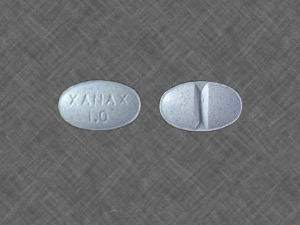
Description
Xanax 1mg contains alprazolam, a prescription benzodiazepine used primarily for the short-term management of anxiety disorders and panic disorder. It works by enhancing the activity of gamma-aminobutyric acid (GABA), an inhibitory neurotransmitter that helps reduce excessive activity in the central nervous system.
Because alprazolam can cause physical dependence, misuse, withdrawal, and potentially dangerous sedation, it should be used only under the supervision of a qualified healthcare professional.
For authoritative medication information, see the MedlinePlus Alprazolam guide.
The exact appearance of a 1 mg alprazolam tablet can differ depending on the manufacturer. Always identify medication using the prescription label and pharmacist-provided information rather than tablet color or appearance alone.
What Is Xanax 1 mg?
Xanax 1 mg is a prescription formulation of alprazolam, a short-acting benzodiazepine.
Alprazolam reduces excessive activity in the brain by increasing the effects of GABA. This can produce calming effects and reduce symptoms associated with anxiety and panic.
The FDA-approved prescribing information available through DailyMed provides detailed information about alprazolam’s indications, contraindications, warnings, and adverse reactions.
Xanax 1 mg Uses
Xanax (alprazolam) is approved for specific anxiety-related conditions.
Anxiety Disorders
Alprazolam may be prescribed for the management of anxiety disorders when a healthcare professional determines that a benzodiazepine is appropriate.
Anxiety can involve excessive worry, nervousness, restlessness, muscle tension, difficulty concentrating, and physical symptoms such as a racing heartbeat.
Panic Disorder
Alprazolam is also approved for panic disorder.
Panic attacks may involve sudden intense fear accompanied by symptoms such as:
- Rapid heartbeat
- Shortness of breath
- Trembling
- Sweating
- Chest discomfort
- Dizziness
- A feeling of losing control
Treatment decisions should be individualized by a healthcare professional.
How Does Alprazolam Work?
Alprazolam belongs to the benzodiazepine class of medicines.
It enhances the effects of GABA, an inhibitory neurotransmitter in the brain. By increasing GABA-mediated inhibition, alprazolam can reduce excessive neuronal activity and produce:
- Reduced anxiety
- Relaxation
- Sedation
- Muscle-relaxing effects
These effects also explain why alprazolam can cause drowsiness, impaired coordination, and slowed thinking.
Xanax 1 mg Side Effects
Common side effects of alprazolam may include:
- Drowsiness
- Dizziness
- Lightheadedness
- Fatigue
- Impaired coordination
- Difficulty concentrating
- Memory problems
- Slurred speech
Side effects can be more pronounced when treatment begins or when other central nervous system depressants are used.
If symptoms are severe, persistent, or unusual, contact a healthcare professional.
Serious Safety Risks
Alprazolam can cause serious adverse effects, particularly when combined with other sedating substances.
Potentially serious symptoms include:
- Extreme sleepiness
- Confusion
- Loss of coordination
- Difficulty breathing
- Unresponsiveness
- Severe allergic reactions
The FDA has issued a boxed warning concerning the risks associated with combining benzodiazepines with opioids, including profound sedation, respiratory depression, coma, and death.
See the FDA benzodiazepine safety communication.
Xanax and Opioids
Combining alprazolam with opioid medicines can be dangerous.
Both drug classes can depress the central nervous system. Taking them together may increase the risk of:
- Extreme sedation
- Respiratory depression
- Coma
- Overdose
- Death
Examples of opioids include oxycodone, hydrocodone, morphine, fentanyl, and tapentadol.
Never combine alprazolam with an opioid unless the combination has been specifically prescribed and monitored by a healthcare professional.
Xanax and Alcohol
Alcohol should be avoided while taking alprazolam unless a healthcare professional specifically advises otherwise.
Alcohol can intensify the sedative effects of alprazolam and may increase the risk of:
- Severe drowsiness
- Poor coordination
- Confusion
- Breathing problems
- Loss of consciousness
- Overdose
Xanax 1 mg and Driving
Alprazolam can impair alertness, reaction time, coordination, and judgment.
Do not drive or operate machinery until you know how the medication affects you.
Even when taken as prescribed, some people may experience significant sedation.
Dependence and Withdrawal
One of the most important considerations with alprazolam is the potential for physical dependence.
Dependence can develop even when the medication is taken according to a prescription.
Abruptly stopping alprazolam after regular use can cause withdrawal symptoms, which may include:
- Anxiety
- Irritability
- Insomnia
- Restlessness
- Tremors
- Sweating
- Difficulty concentrating
- Muscle pain
- Seizures in severe cases
Because withdrawal from benzodiazepines can be medically serious, alprazolam should not be discontinued suddenly without professional guidance.
A healthcare professional can determine whether a gradual reduction is appropriate.
Xanax Misuse and Addiction
Alprazolam has a recognized potential for misuse and addiction.
Misuse can include taking the medication differently from prescribed, taking someone else’s prescription, or using it for effects other than its intended medical purpose.
Risk can increase with prolonged use, higher exposure, or concurrent use of other substances that affect the central nervous system.
Patients who are concerned about dependence or difficulty controlling medication use should speak with a healthcare professional.
Xanax 1 mg Drug Interactions
Before taking alprazolam, tell your doctor or pharmacist about all medications and supplements you use.
Important interactions may involve:
- Opioid pain medicines
- Other benzodiazepines
- Sleep medications
- Alcohol
- Certain antidepressants
- Certain antifungal medicines
- Some antibiotics
- Other central nervous system depressants
Some medicines can increase alprazolam concentrations in the bloodstream, potentially increasing sedation and adverse effects.
Xanax and Pregnancy
Alprazolam should be discussed with a healthcare professional during pregnancy.
Benzodiazepine exposure late in pregnancy can cause neonatal sedation or withdrawal symptoms in newborns.
Anyone who is pregnant, planning pregnancy, or breastfeeding should discuss alprazolam treatment with their healthcare professional rather than stopping treatment independently.
Xanax Overdose
Taking too much alprazolam can cause serious central nervous system depression.
Possible overdose symptoms include:
- Severe drowsiness
- Confusion
- Poor coordination
- Slurred speech
- Reduced consciousness
- Weakness
- Loss of consciousness
The danger can become substantially greater when alprazolam is combined with opioids, alcohol, or other sedatives.
If an overdose is suspected, seek emergency medical assistance immediately.
Safe Storage
Store alprazolam securely and according to the product labeling.
Because it is a controlled prescription medicine, it should never be shared with another person.
Keep it away from children, visitors, and anyone who does not have a prescription.
Unused medication should be disposed of through an appropriate medication take-back program when available.
Frequently Asked Questions
What is Xanax 1 mg used for?
Xanax 1 mg contains alprazolam and is used for certain anxiety disorders and panic disorder.
Is Xanax 1 mg a benzodiazepine?
Yes. Alprazolam, the active ingredient in Xanax, is a benzodiazepine.
Does Xanax 1 mg cause drowsiness?
Yes. Drowsiness, dizziness, and impaired coordination are common effects of alprazolam.
Can Xanax 1 mg be taken with alcohol?
Alcohol can dangerously increase the sedative effects of alprazolam. Combining them should be avoided unless specifically approved by a healthcare professional.
Can Xanax be taken with opioid pain medicine?
The combination can cause profound sedation and respiratory depression and may be fatal. Use together only when specifically directed and monitored by a healthcare professional.
Can Xanax cause dependence?
Yes. Alprazolam can cause physical dependence and has a risk of misuse and addiction.
Can Xanax 1 mg be stopped suddenly?
No. People who have been taking alprazolam regularly should not stop it abruptly without medical guidance because withdrawal can be severe and may include seizures.
Is Xanax the same as alprazolam?
Xanax is a brand name for alprazolam. Generic alprazolam contains the same active ingredient, although inactive ingredients and tablet appearance can vary by manufacturer.
Important Safety Disclaimer
Xanax (alprazolam) is a prescription benzodiazepine with important risks involving sedation, dependence, misuse, withdrawal, and potentially fatal respiratory depression when combined with opioids or other central nervous system depressants.
This information is provided for educational purposes only and does not replace the advice of a physician, pharmacist, or other qualified healthcare professional.
For additional authoritative information, consult MedlinePlus, FDA, and DailyMed.